
Plant vs. Animal Proteins: How to Ensure the Ideal Amino Acid Intake for Cellular Regeneration
Every second, millions of cells in the human body are repaired, replaced, and regenerated. From muscle tissue and skin to organs and immune cells, this continuous renewal process depends heavily on one essential nutrient: protein.
Proteins are made up of amino acids, often referred to as the building blocks of life. While both plant and animal foods can provide these important nutrients, there is ongoing debate about which protein sources are most effective for supporting cellular regeneration and overall health.
Understanding the differences between plant and animal proteins can help you make informed dietary choices and ensure your body receives the amino acids it needs to function optimally.
Why Protein Matters for Cellular Regeneration
Cellular regeneration is the body’s natural process of repairing damaged tissues and replacing old or worn-out cells. This process plays a crucial role in:
- Muscle recovery and maintenance
- Skin health and wound healing
- Immune system function
- Hormone production
- Enzyme synthesis
- Healthy aging
Proteins supply amino acids that serve as the raw materials for these biological functions. Without adequate protein intake, the body may struggle to efficiently repair tissues and maintain optimal health.
Some amino acids can be produced by the body, while others must come directly from food. These are known as essential amino acids.
Understanding Essential Amino Acids
There are nine essential amino acids that the human body cannot produce on its own:
- Histidine
- Isoleucine
- Leucine
- Lysine
- Methionine
- Phenylalanine
- Threonine
- Tryptophan
- Valine
Foods that contain all nine essential amino acids in sufficient amounts are considered complete proteins.
Animal-based proteins are generally complete proteins, while many plant proteins contain lower amounts of one or more essential amino acids.
However, this does not mean plant proteins are inadequate. It simply means that careful planning may be beneficial when relying primarily on plant-based sources.
Animal Proteins: Benefits and Considerations
Animal-derived foods are often regarded as high-quality protein sources because they provide all essential amino acids in highly bioavailable forms.
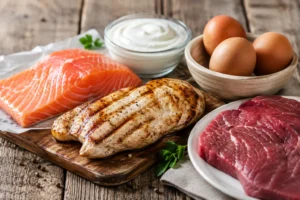
Common animal protein sources include:
- Eggs
- Fish
- Chicken
- Turkey
- Lean beef
- Dairy products
- Greek yogurt
- Cottage cheese
Advantages of Animal Proteins
Complete Amino Acid Profile
Animal proteins naturally contain all essential amino acids in proportions that closely match human needs.
High Digestibility
The body generally absorbs and utilizes animal proteins efficiently, which may support muscle repair and tissue regeneration.
Rich in Key Nutrients
Many animal protein sources also provide:
- Vitamin B12
- Iron
- Zinc
- Selenium
- Omega-3 fatty acids (especially fatty fish)
These nutrients contribute to energy production, immune function, and healthy cell growth.
Potential Drawbacks of Animal Proteins
While animal proteins offer many benefits, some sources may also contain higher levels of:
- Saturated fat
- Sodium
- Processed additives
Highly processed meats should generally be consumed in moderation as part of a balanced diet.
Choosing lean and minimally processed options can help maximize nutritional benefits.
Plant Proteins: Benefits and Considerations
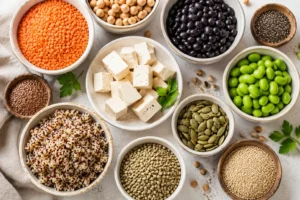
Plant-based proteins come from a wide variety of foods, including:
- Lentils
- Chickpeas
- Beans
- Peas
- Tofu
- Tempeh
- Edamame
- Quinoa
- Nuts
- Seeds
Plant proteins have gained significant popularity due to their potential health and environmental benefits.
Advantages of Plant Proteins
Rich in Fiber
Unlike animal foods, plant proteins typically contain dietary fiber, which supports:
- Digestive health
- Blood sugar balance
- Gut microbiome diversity
- Cardiovascular health
High in Protective Compounds
Many plant foods contain antioxidants and phytochemicals that help protect cells from oxidative stress.
Reducing oxidative stress may support healthy aging and cellular maintenance.
Lower in Saturated Fat
Many plant protein sources naturally contain less saturated fat compared to some animal-based foods.
Can Plant Proteins Provide All Essential Amino Acids?
A common misconception is that plant proteins are incomplete and therefore inferior.
In reality, many plant foods contain all essential amino acids, although some may contain lower levels of certain amino acids.
Examples of complete or nearly complete plant proteins include:
- Quinoa
- Soy products
- Buckwheat
- Hemp seeds
- Chia seeds
Furthermore, consuming a variety of plant foods throughout the day allows the body to obtain a balanced amino acid profile.
For example:
- Beans + rice
- Lentils + whole grains
- Hummus + whole wheat pita
- Peanut butter + whole grain bread
These combinations can help ensure adequate intake of essential amino acids.
Which Protein Source Is Better for Cellular Regeneration?
The answer depends largely on overall dietary quality rather than choosing one side exclusively.
Research suggests that both plant and animal proteins can effectively support tissue repair and cellular regeneration when consumed in adequate amounts.
Key factors include:
Total Protein Intake
Meeting daily protein requirements is more important than focusing exclusively on protein source.
Amino Acid Diversity
Consuming a variety of protein-rich foods helps ensure a broad spectrum of amino acids.
Digestibility and Absorption
Some individuals may digest certain protein sources better than others.
Overall Nutrient Intake
Protein works alongside vitamins, minerals, healthy fats, and antioxidants to support cellular health.
How Much Protein Do You Actually Need?
Protein needs vary depending on:
- Age
- Activity level
- Health status
- Muscle mass
- Recovery demands
General recommendations often suggest:
| Population | Daily Protein Intake |
|---|---|
| Sedentary Adults | 0.8 g/kg body weight |
| Active Adults | 1.2–1.6 g/kg |
| Strength Training Individuals | 1.6–2.2 g/kg |
| Older Adults | 1.0–1.2 g/kg |
Higher protein intake may be beneficial during periods of recovery, illness, or increased physical activity.
Practical Tips to Optimize Amino Acid Intake
Prioritize Protein at Every Meal
Including protein consistently throughout the day can support muscle protein synthesis and tissue repair.
Examples:
- Eggs at breakfast
- Greek yogurt as a snack
- Lentils at lunch
- Fish or tofu at dinner
Combine Different Protein Sources
Diversity helps improve amino acid coverage and nutritional quality.
Include Leucine-Rich Foods
Leucine is a key amino acid involved in muscle repair and regeneration.
Rich sources include:
- Eggs
- Dairy
- Soybeans
- Lentils
- Fish
Support Recovery with Adequate Sleep
Protein provides the building blocks, but sleep is when much of the body’s repair and regeneration occurs.
Don’t Neglect Micronutrients
Nutrients that support cellular regeneration include:
- Zinc
- Vitamin C
- Iron
- Magnesium
- Vitamin D
A balanced diet remains essential.
Frequently Asked Questions
Are plant proteins as effective as animal proteins?
Yes. When consumed in adequate amounts and from a variety of sources, plant proteins can effectively support cellular regeneration and overall health.
Do I need to combine plant proteins at every meal?
No. Current research suggests that consuming a variety of plant protein foods throughout the day is generally sufficient to obtain all essential amino acids.
Which amino acid is most important for muscle repair?
Leucine is often considered one of the most important amino acids for stimulating muscle protein synthesis and recovery.
Can older adults benefit from higher protein intake?
Many experts recommend that older adults consume slightly more protein to help maintain muscle mass and support healthy aging.
Is it healthy to eat both plant and animal proteins?
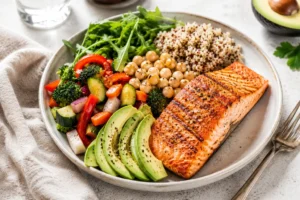
For many individuals, a balanced approach that includes both protein types can provide a wide range of nutrients and amino acids.
Conclusion
When it comes to cellular regeneration, both plant and animal proteins can play valuable roles. Animal proteins offer complete amino acid profiles and high digestibility, while plant proteins provide fiber, antioxidants, and numerous beneficial compounds that support long-term health.
Rather than viewing the two as competitors, many nutrition experts recommend focusing on variety, overall dietary quality, and adequate daily protein intake.
By incorporating diverse protein sources and ensuring sufficient intake of essential amino acids, you can help support your body’s natural repair processes, promote healthy aging, and maintain optimal cellular function for years to come.