

10 Foods That Naturally Support Healthy Blood Sugar Levels
Maintaining healthy blood sugar levels is one of the most important foundations of long-term wellness.
Blood sugar affects much more than diabetes risk. It also influences energy levels, appetite regulation, cognitive performance, mood, and overall metabolic health.
Fortunately, dietary choices can play a major role in supporting healthy glucose metabolism.
While no single food acts as a magic solution, certain foods contain nutrients such as fiber, protein, healthy fats, and antioxidants that may help promote more stable blood sugar responses.
Let’s explore 10 foods that can become valuable additions to a balanced eating pattern.
Why Blood Sugar Balance Matters
When blood sugar levels rise and fall dramatically throughout the day, many people experience:
- Energy crashes
- Increased hunger
- Difficulty concentrating
- Mood fluctuations
- Cravings for sugary foods
A balanced diet rich in whole foods may help support more consistent energy and metabolic function.
For readers interested in evidence-based nutrition information, the Harvard T.H. Chan School of Public Health provides educational resources on healthy eating patterns and metabolic health: https://nutritionsource.hsph.harvard.edu
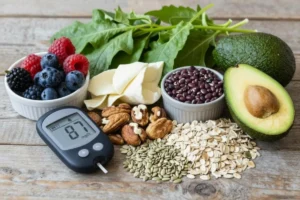
1. Leafy Greens
Vegetables such as spinach, kale, arugula, and Swiss chard are naturally low in calories while providing vitamins, minerals, and fiber.
Their high nutrient density makes them a valuable component of a blood-sugar-friendly diet.
2. Lentils
Lentils provide a combination of plant protein and fiber.
This combination may help promote satiety and slower digestion compared with highly refined carbohydrate sources.
3. Oats
Whole oats contain a type of soluble fiber called beta-glucan.
Beta-glucan may help slow digestion and support a more gradual release of glucose into the bloodstream.
4. Chia Seeds
Chia seeds are rich in fiber, healthy fats, and plant compounds that support overall nutritional quality.
A small serving can add significant fiber to meals and snacks.
5. Berries
Blueberries, strawberries, raspberries, and blackberries are naturally rich in antioxidants and fiber.
Compared with many sweet snacks, berries offer a nutrient-dense alternative.
6. Nuts
Almonds, walnuts, pistachios, and other nuts provide healthy fats, protein, and minerals.
They can be an excellent snack option for supporting satiety between meals.
7. Beans
Beans are rich in complex carbohydrates, fiber, and plant protein.
They remain one of the most affordable and accessible foods for supporting overall metabolic health.

8. Avocados
Avocados provide healthy monounsaturated fats and fiber.
They are widely recognized as part of balanced dietary patterns focused on cardiovascular and metabolic health.
9. Yogurt
Plain yogurt containing live cultures offers protein and beneficial bacteria.
Fermented foods may also contribute to overall gut and metabolic health.
10. Fatty Fish
Salmon, sardines, trout, and mackerel provide omega-3 fatty acids and high-quality protein.
These nutrients support overall health and are commonly included in balanced eating plans.
Practical Tips for Supporting Healthy Blood Sugar
Beyond specific foods, several habits may help support healthy glucose regulation:
- Prioritize whole foods
- Include protein with meals
- Consume adequate fiber
- Stay physically active
- Get sufficient sleep
- Manage chronic stress
Some natural compounds are also being studied for their role in metabolic health, including berberine.

Frequently Asked Questions
What foods help support healthy blood sugar?
Foods rich in fiber, protein, and healthy fats such as leafy greens, beans, lentils, berries, oats, nuts, and fatty fish may support balanced blood sugar responses.
Are carbohydrates bad for blood sugar?
Not necessarily. Whole-food carbohydrate sources such as oats, beans, and fruits also provide fiber and important nutrients.
Can food alone control blood sugar?
Healthy eating patterns can support metabolic health, but individual needs vary and medical guidance may be necessary for specific health conditions.
What is the best breakfast for blood sugar balance?
Meals containing protein, fiber, and healthy fats are often considered supportive of stable energy throughout the morning.
Conclusion
Healthy blood sugar management starts with consistent daily habits.
While no single food provides a complete solution, regularly consuming nutrient-dense foods such as leafy greens, lentils, oats, berries, nuts, beans, avocados, yogurt, and fatty fish can help support overall metabolic health.
Combined with exercise, sleep, and stress management, these foods form the foundation of a balanced lifestyle.
The information provided in this article is intended for educational and informational purposes only and should not be considered medical advice. It is not intended to diagnose, treat, cure, or prevent any disease or health condition. Always consult a qualified healthcare professional before making significant dietary changes or beginning any new health regimen.
Which of these foods do you eat most often? Have you noticed any benefits from adding more fiber-rich foods to your meals? Share your thoughts in the comments below.