Can You Have Too Much Potassium? Understanding Hyperkalemia and Diet
Potassium is an essential mineral that helps support normal muscle contractions, nerve signaling, and fluid balance throughout the body. Discussions about potassium often focus on getting enough of it, but another important question frequently arises: Can you have too much potassium?
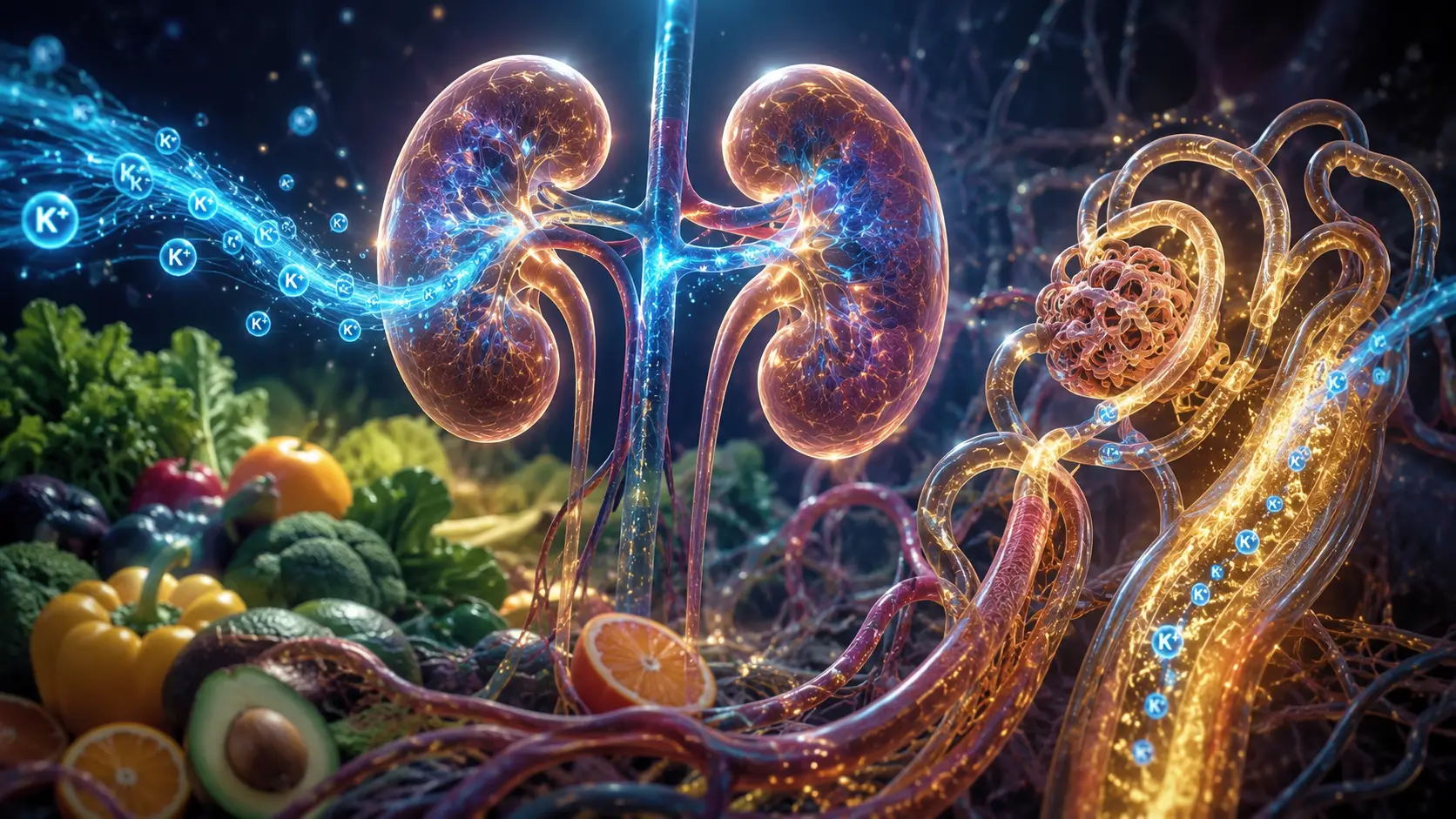
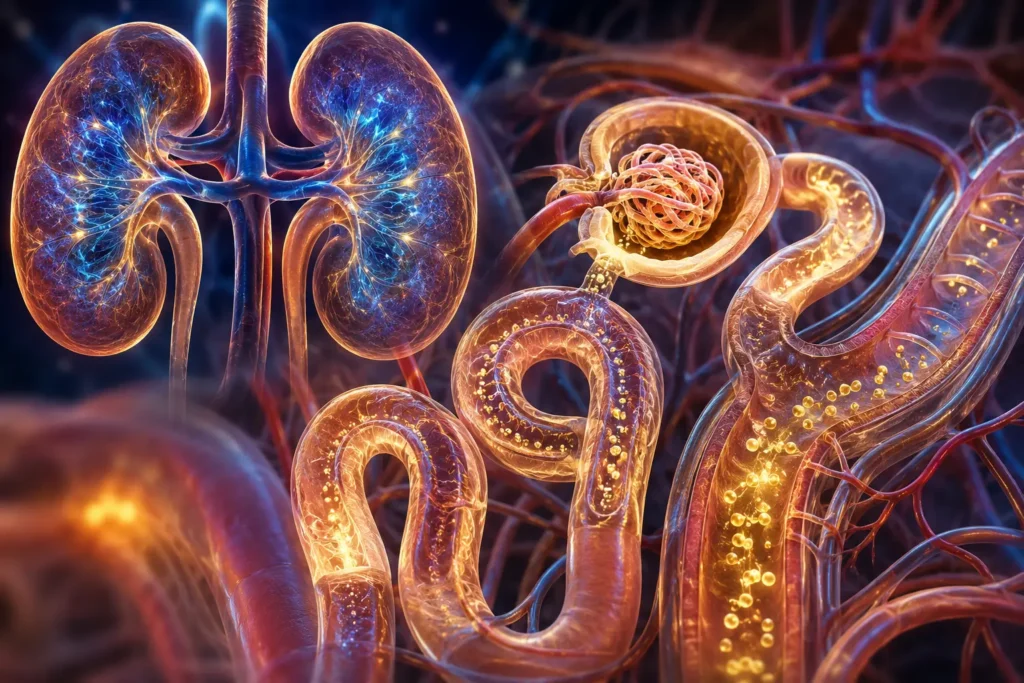
The answer is yes—but for most healthy people, the body has highly effective systems that regulate potassium levels. Healthy kidneys continuously filter excess potassium from the bloodstream and excrete it through urine, helping maintain a narrow physiological range necessary for normal function.
Understanding when high potassium intake may become a concern requires looking beyond diet alone and considering the broader context of kidney function, medications, and overall health.
Can You Have Too Much Potassium?
In healthy individuals with normal kidney function, consuming potassium-rich foods as part of a balanced diet rarely leads to excessively high potassium levels.
The body carefully regulates potassium through hormonal and renal mechanisms. When dietary intake increases, healthy kidneys typically adjust by removing excess amounts, helping maintain homeostasis.
However, some medical conditions and certain medications can interfere with this regulation. In those situations, potassium may accumulate in the bloodstream, a condition known as hyperkalemia.
According to the National Kidney Foundation, hyperkalemia is most commonly associated with impaired kidney function or specific medications rather than eating fruits and vegetables alone.
Who May Be More Susceptible to High Potassium Levels?
While most healthy adults regulate potassium efficiently, some people require individualized guidance regarding potassium intake.
Individuals with chronic kidney disease, advanced kidney impairment, or those taking certain medications that influence potassium balance may need medical supervision. Healthcare professionals evaluate each situation based on laboratory testing, medical history, and overall clinical context rather than diet alone.
This highlights an important principle in nutrition science: recommendations that are appropriate for the general population may differ for people with specific medical conditions.
For readers interested in natural dietary sources, explore: Best Potassium-Rich Foods to Add to Your Diet
Is Food Usually the Problem?
For the vast majority of healthy people, whole foods are not the primary cause of elevated potassium levels.
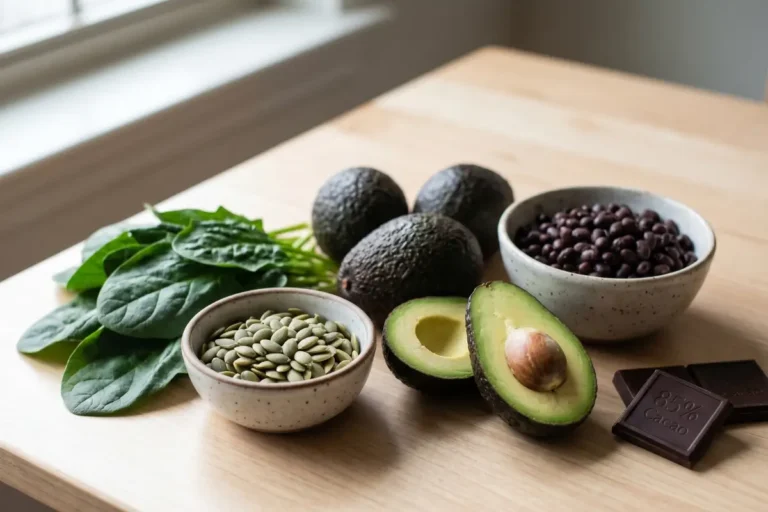
Foods such as beans, potatoes, spinach, yogurt, avocados, tomatoes, and bananas contain potassium within complex nutritional matrices that also provide fiber, vitamins, antioxidants, and other beneficial compounds. Nutrition experts generally encourage these foods as part of balanced eating patterns unless individualized medical advice recommends otherwise.
Research has increasingly emphasized the importance of overall dietary quality instead of focusing narrowly on single nutrients in isolation.
The National Institutes of Health Office of Dietary Supplements notes that potassium is naturally present in many foods and is an essential component of normal human physiology.

Why Self-Supplementation Deserves Caution
Unlike obtaining potassium through ordinary foods, concentrated supplements should not be taken casually.
Because potassium influences electrical activity throughout the body, supplementation may be inappropriate for some individuals, particularly those with kidney disorders or certain medical treatments. This is one reason healthcare professionals often recommend obtaining nutrients from food whenever practical and using supplements only when clinically indicated.
If you are curious about meeting potassium needs naturally, you may also enjoy: Can You Get Enough Potassium From Food Alone?
Frequently Asked Questions
Can eating too many bananas cause dangerously high potassium?
For most healthy people with normal kidney function, eating bananas as part of a balanced diet is unlikely to cause hyperkalemia. Individual medical conditions can change this recommendation.
What is hyperkalemia?
Hyperkalemia refers to higher-than-normal potassium levels in the bloodstream. It is commonly associated with impaired kidney function or certain medications rather than healthy dietary patterns alone.
Should healthy adults avoid potassium-rich foods?
Generally, no. Potassium-rich foods provide numerous beneficial nutrients and are commonly included in balanced eating patterns unless a healthcare professional advises otherwise.
Are potassium supplements different from potassium in food?
Yes. Whole foods provide potassium within a complex nutritional context, whereas supplements deliver concentrated amounts and may not be appropriate for everyone.
Conclusion
So, can you have too much potassium? The answer depends largely on individual health circumstances. For most healthy adults, the kidneys effectively regulate potassium obtained through a balanced diet, making fruits, vegetables, legumes, and other whole foods valuable components of everyday nutrition.
However, people with kidney disease or certain medical conditions may require specialized guidance regarding potassium intake. Understanding this distinction helps avoid unnecessary dietary restrictions while reinforcing the importance of personalized healthcare decisions.
Have you ever wondered whether potassium-rich foods could be harmful, or were you surprised to learn how the kidneys regulate this essential mineral? Share your thoughts and questions in the comments below.