
8 Magnesium-Rich Foods You Can Easily Add to Your Diet
Magnesium is an essential mineral involved in hundreds of biochemical processes throughout the body. From supporting muscle and nerve function to helping regulate energy production, magnesium-rich foods play an important role in maintaining overall health.
Despite its importance, many people may not consume enough magnesium through their daily diet. Fortunately, a variety of nutritious and widely available foods naturally contain this valuable mineral.
If you’re looking for simple ways to increase your intake, these eight foods are excellent places to start.
Why Is Magnesium Important?
Magnesium contributes to numerous physiological functions, including:
- Muscle contraction and relaxation
- Healthy nerve signaling
- Energy metabolism
- Bone health
- Protein synthesis
- Normal cardiovascular function
Research also suggests that adequate magnesium intake supports healthy sleep patterns and overall metabolic function.
For readers interested in supplementation, see: Magnesium Glycinate vs. Citrate: Which One Should You Actually Take?
1. Pumpkin Seeds
Pumpkin seeds are among the richest natural sources of dietary magnesium.
In addition to magnesium, they provide healthy fats, plant protein, zinc, and antioxidants that support overall nutrition.
A small handful makes an easy snack or topping for salads, yogurt, or oatmeal.
2. Spinach
Dark leafy greens like spinach offer magnesium along with vitamins A, C, K, folate, and iron.
Whether eaten fresh in salads or lightly cooked, spinach is an easy way to increase mineral intake while adding fiber and antioxidants to meals.
3. Almonds
Almonds combine magnesium with healthy monounsaturated fats, vitamin E, and plant-based protein.
They work well as a snack or as an ingredient in breakfast bowls and homemade trail mixes.

4. Black Beans
Beans are nutritional powerhouses that supply magnesium together with fiber, protein, and complex carbohydrates.
Black beans can be incorporated into soups, grain bowls, salads, and side dishes, making them a versatile addition to many cuisines.
5. Avocados
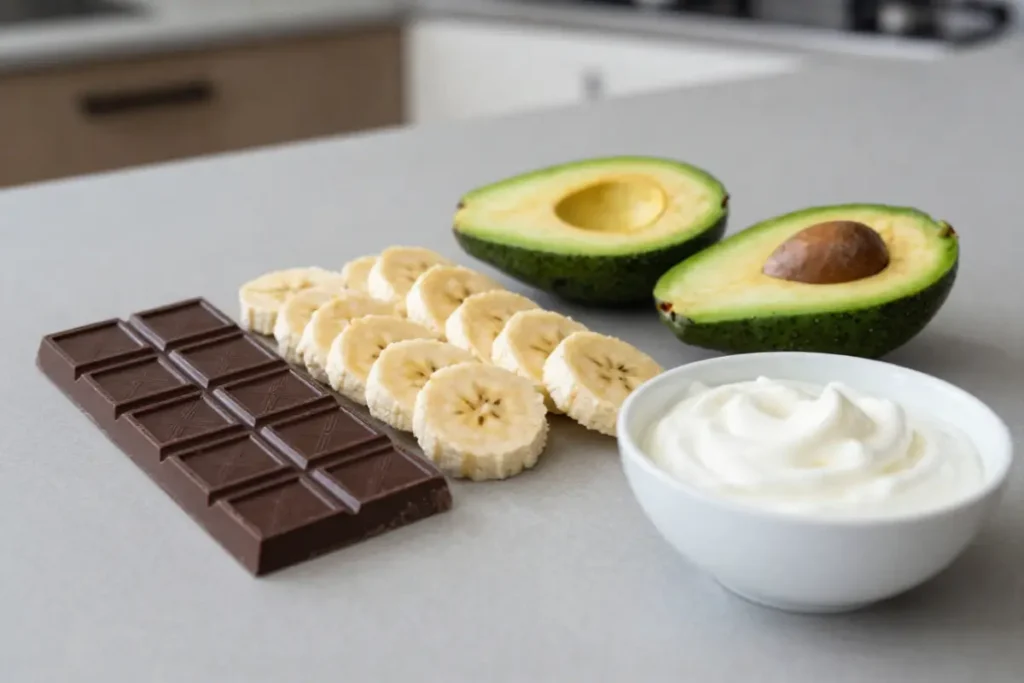
Known for their heart-healthy fats, avocados also contribute meaningful amounts of magnesium and potassium.
They pair well with toast, salads, smoothies, and sandwiches while supporting a balanced dietary pattern.
6. Plain Yogurt
Plain yogurt provides magnesium along with calcium and high-quality protein.
Choosing unsweetened varieties may help reduce added sugar intake while supporting gut health as part of an overall balanced diet.
7. Bananas
Although bananas are often recognized for potassium, they also contain magnesium and other nutrients that support normal muscle and nerve function.
They’re convenient, portable, and easy to incorporate into breakfast or snacks.
8. Dark Chocolate
Dark chocolate with a high cocoa content contains magnesium along with naturally occurring polyphenols.
When enjoyed in moderation, it can be part of an overall healthy eating pattern.
Can Food Alone Provide Enough Magnesium?
For many healthy adults, a varied and balanced diet can provide adequate magnesium intake.
However, dietary patterns differ widely, and some individuals may have increased needs or lower intake due to lifestyle or medical factors.
If you regularly experience concerns about nutrient intake or are considering supplements, discussing your situation with a qualified healthcare professional is advisable.
You may also enjoy reading: Can Magnesium Help Support Better Sleep? What the Research Says
Tips to Increase Magnesium Intake Naturally
Simple strategies include:
- Add spinach to smoothies or salads.
- Sprinkle pumpkin seeds over oatmeal or yogurt.
- Snack on a small portion of almonds.
- Include beans in soups or grain bowls.
- Choose whole foods over highly processed options.
- Enjoy fruit such as bananas alongside protein-rich foods.
- Incorporate avocado into lunches and breakfasts.
Small dietary changes practiced consistently can meaningfully improve overall nutrient intake.
Frequently Asked Questions
Which food contains the most magnesium?
Pumpkin seeds are widely recognized as one of the richest natural food sources of magnesium.
Can I get enough magnesium without supplements?
Many people can meet their magnesium needs through a balanced diet that includes nuts, seeds, legumes, leafy greens, and other nutrient-dense foods.
Is dark chocolate a good source of magnesium?
Dark chocolate contains magnesium and other beneficial compounds, though it should generally be consumed in moderation.
Are bananas high in magnesium?
Bananas provide modest amounts of magnesium in addition to potassium and other nutrients, making them a helpful part of a varied diet.
Which magnesium-rich food is already part of your daily routine, and which one would you like to add to your meals? Share your thoughts and experiences in the comments below.