
Insulin Resistance: What It Is and the First Warning Signs in Your Body’s Functioning
Metabolic health is the foundation upon which your overall vitality, cognitive performance, and longevity are built. Yet, one of the most widespread and misunderstood systemic imbalances in modern society is a condition that often develops silently over several years before manifesting as a formal clinical diagnosis: insulin resistance.
From a physiological perspective, insulin resistance represents a breakdown in communication between your bloodstream and your cellular architecture. When your cells become numb to the signals of insulin, your metabolism is forced to work twice as hard to maintain balance. Recognizing the earliest warning signs of this hormonal mismatch allows you to take proactive, evidence-based steps to restore metabolic flexibility.
In this article, we will break down the exact science of how insulin resistance develops and highlight the subtle physiological indicators that suggest your body is struggling to manage its fuel.
The Physiology of Glucose Transport
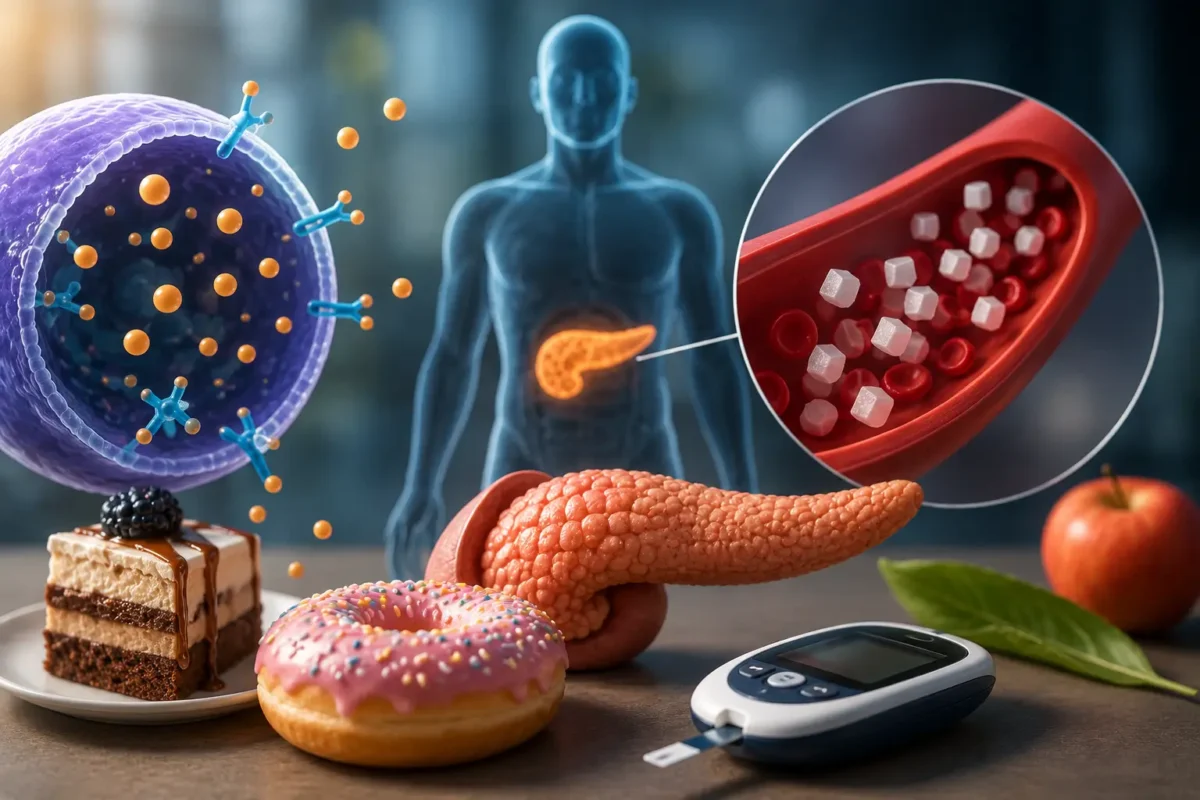
To understand insulin resistance, it helps to picture your cells as secure structures. Every cell in your body requires energy to function, and its preferred fuel source is glucose (sugar derived from the breakdown of the carbohydrates you eat). However, glucose cannot simply float inside a cell on its own; it requires a key to unlock the cellular doors.
That key is insulin, a vital hormone produced and secreted by the pancreas. Under optimal metabolic conditions, the process works seamlessly:
You consume food, and blood glucose levels begin to rise.
The pancreas detects this rise and releases a precise amount of insulin into the bloodstream.
Insulin binds to specific receptors on the surface of your cells, signaling them to open up and absorb the glucose.
Glucose enters the cells to be burned for energy or stored as glycogen, and blood sugar levels safely return to baseline.
In a state of insulin resistance, this mechanism falters. Due to a combination of genetic factors and chronic overexposure to high glucose loads, the cell receptors become desensitized. The keys (insulin) no longer fit the locks easily. In response, the pancreas attempts to override the resistance by pumping out even more insulin, leading to a state of chronic hyperinsulinemia (high insulin levels in the blood).

4 Early Warning Signs of Insulin Resistance
Because the pancreas can compensate by producing massive amounts of insulin for years, standard fasting glucose blood tests often appear completely normal in the early stages. However, the body still exhibits subtle physiological red flags due to the constantly elevated insulin levels:
1. Persistent Fatigue, Especially After Meals
When your cells are resistant to insulin, they struggle to absorb glucose efficiently. This creates a biological paradox: you may have plenty of fuel circulating in your bloodstream, but your cells are starved for energy. This often manifests as chronic daytime fatigue and a profound, heavy drowsiness shortly after eating carbohydrate-dense meals, as the body struggles to process the sudden influx of glucose.
2. Stubborn Visceral and Abdominal Fat Storage
Insulin is a highly anabolic storage hormone. One of its primary evolutionary roles is to halt the breakdown of fat (lipolysis) and promote fat storage. When insulin levels remain cronicly high throughout the day, the body is effectively locked in a permanent storage state, making fat loss exceptionally difficult. Furthermore, insulin resistance heavily drives the accumulation of visceral fat—the metabolic fat stored deep within the abdominal cavity around vital organs.

3. Frequent Hunger and Intense Carbohydrate Cravings
Because insulin resistance prevents glucose from entering the cells efficiently, the brain receives continuous biochemical signals that the body lacks energy. This triggers persistent hunger pangs, even shortly after eating a substantial meal. Specifically, the body craves quick-burning fuel—refined carbohydrates and sugars—in a biological attempt to force glucose into the starved cells.
4. Skin Changes: Acanthosis Nigricans and Skin Tags
High levels of circulating insulin can cause skin cells to reproduce at an accelerated rate. In some individuals, this manifests as acanthosis nigricans, a condition where patches of skin (typically around the neck, armpits, or groin) become noticeably darker, velvety, or thicker. Additionally, a sudden or frequent development of benign skin tags in these same areas is a well-documented dermatological indicator of underlying hyperinsulinemia.
Steps Toward Restoring Insulin Sensitivity
The human body is remarkably resilient. Insulin resistance is not a permanent state; it is a dynamic metabolic spectrum that can often be managed and improved through targeted adjustments to daily habits:
Emphasize Whole Foods: Prioritize non-starchy vegetables, clean proteins, and healthy fats while reducing the intake of highly processed foods and refined sugars that cause sharp glucose spikes.
Leverage the Power of Muscle: As explored in our discussions on physical activity, skeletal muscle is your largest sink for disposing of glucose. Regular resistance training and post-meal walks naturally draw glucose out of the blood without requiring high amounts of insulin.
Prioritize Restorative Sleep: Chronic sleep deprivation raises cortisol levels, which directly opposes the actions of insulin and temporarily degrades insulin sensitivity.

Conclusion: Listen to Your Metabolism
Insulin resistance is a silent process, but it is not a invisible one. By paying close attention to how your body responds to food, monitoring your energy baselines, and recognizing the early physical signs of metabolic stress, you can intervene long before chronic conditions develop. True health optimization is about decoding these subtle biological whispers and providing your cells with the environment they need to thrive.
Safety Disclaimer: This content is strictly for educational and informational purposes. It does not replace professional medical advice, clinical diagnosis, or specialized treatment plans. If you are experiencing persistent fatigue, metabolic changes, or suspect insulin issues, please consult a qualified healthcare professional, physician, or clinical endocrinologist to request comprehensive metabolic blood panels, such as fasting insulin and HOMA-IR.
Did you find this guide helpful? Do you have questions about adjusting your routine, understanding metabolic health, or recognizing early signs? Leave your comment below!