Potassium vs. Magnesium: What’s the Difference?
Potassium and magnesium are often mentioned together in conversations about nutrition, muscle health, and electrolyte balance. Because both minerals participate in hundreds of biological processes, it is easy to assume they perform the same functions. In reality, they have distinct roles while also working together to support many of the body’s most fundamental systems.
Understanding the differences between potassium and magnesium can help you appreciate why a balanced diet rich in diverse whole foods is more valuable than focusing on a single nutrient. Modern research suggests that these minerals interact at the cellular level to help regulate muscle contractions, nerve signaling, fluid balance, energy production, and cardiovascular function.
Potassium vs. Magnesium: Understanding Their Primary Roles
Although both are classified as essential minerals, potassium and magnesium contribute to human physiology in different ways.
Potassium is the body’s primary intracellular positively charged electrolyte. It helps maintain fluid balance within cells and is critical for transmitting electrical impulses that allow nerves and muscles—including the heart—to function normally.
Magnesium, on the other hand, serves as a cofactor for hundreds of enzymatic reactions involved in protein synthesis, DNA maintenance, energy metabolism, and normal muscle and nerve function. It also contributes to bone health and supports the body’s ability to regulate numerous biochemical pathways.
According to the National Institutes of Health Office of Dietary Supplements, both minerals are necessary for normal health and should ideally come from balanced dietary patterns rather than isolated supplementation whenever possible.
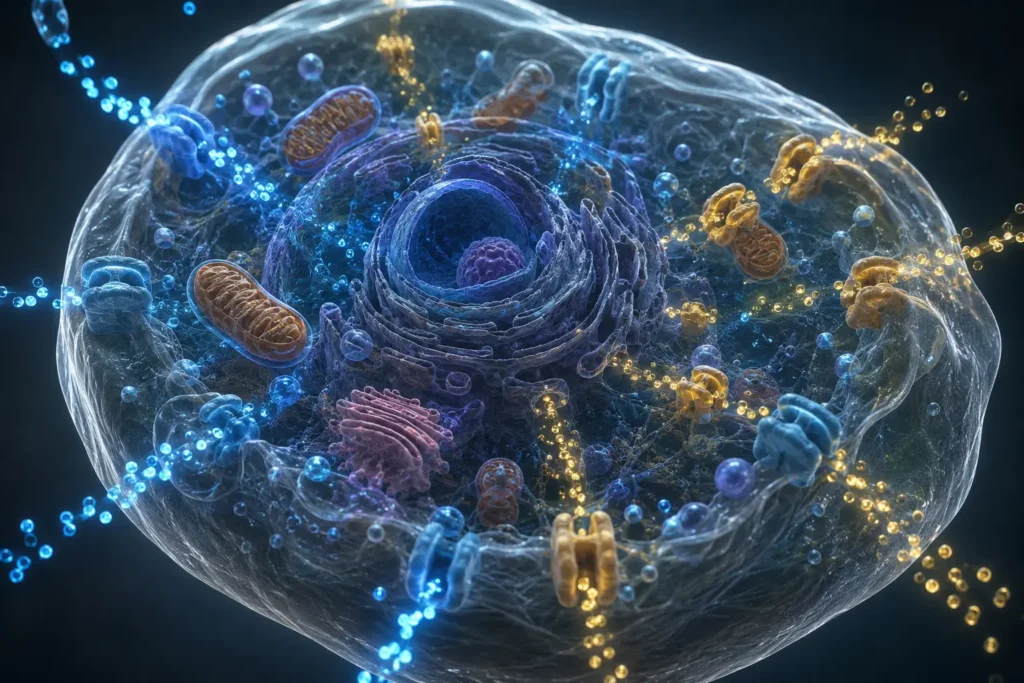
How Potassium and Magnesium Work Together
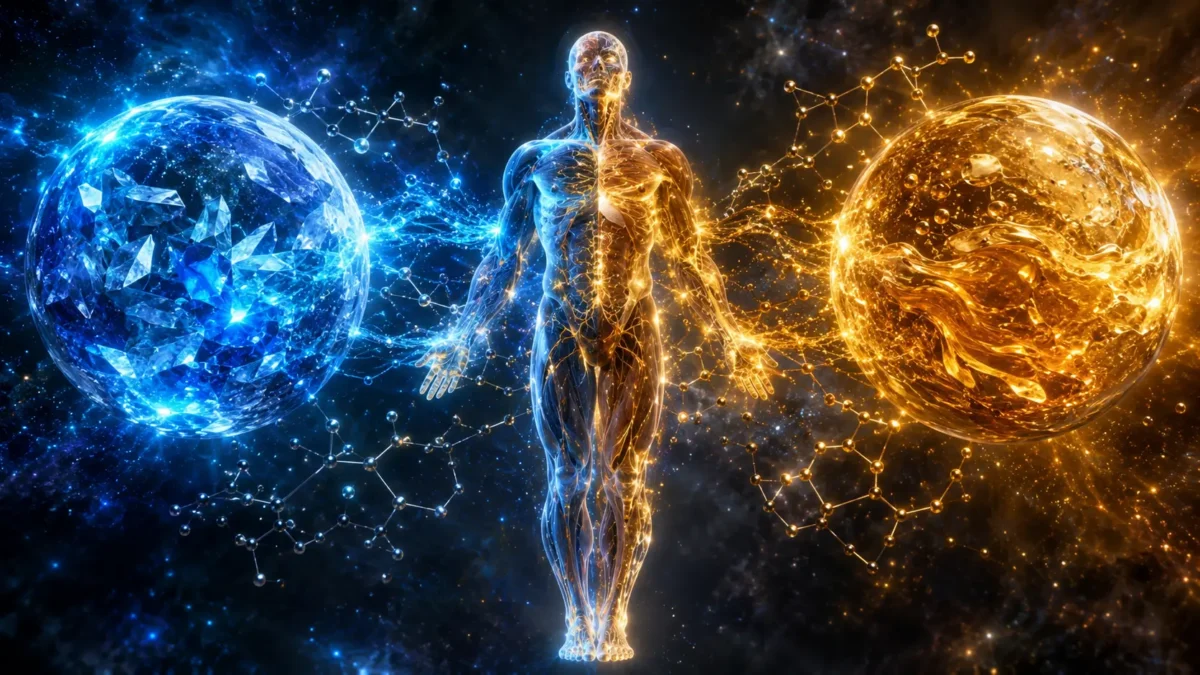
While their responsibilities differ, potassium and magnesium frequently operate in partnership.
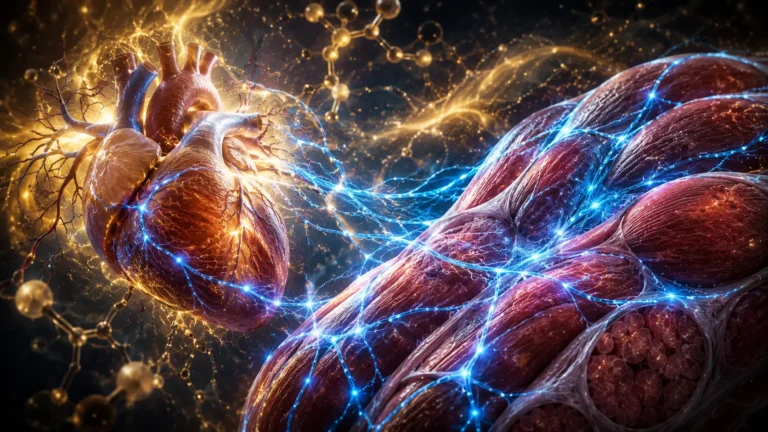
Muscle contraction provides a useful example. Potassium contributes to the electrical signals that trigger muscle activity, while magnesium participates in mechanisms that help muscles relax and regulate energy production. Similarly, normal nerve communication depends on carefully controlled movement of electrolytes across cell membranes, where both minerals play supporting roles.
Researchers also study the interaction between potassium, magnesium, calcium, and sodium because these nutrients collectively influence fluid regulation and electrical activity throughout the body. Rather than acting independently, they function as part of an interconnected physiological system.
Where Can You Find Potassium and Magnesium Naturally?
Fortunately, many nutritious foods provide one or both minerals.
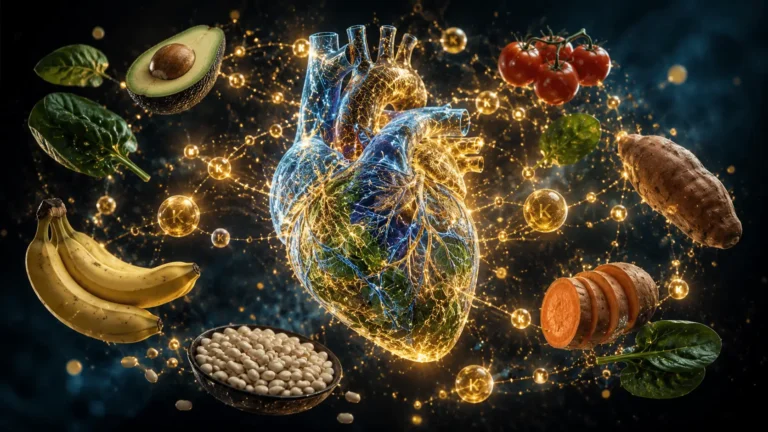
Potassium is abundant in foods such as potatoes, sweet potatoes, white beans, lentils, tomatoes, yogurt, avocados, bananas, spinach, and citrus fruits.
Magnesium is commonly found in pumpkin seeds, almonds, cashews, legumes, leafy greens, whole grains, and dark chocolate with high cocoa content.
Interestingly, several foods—including spinach, beans, and avocados—contain meaningful amounts of both nutrients, illustrating why dietary diversity remains one of the most effective nutritional strategies.
The Harvard T.H. Chan School of Public Health emphasizes that eating patterns rich in minimally processed foods naturally provide a broad spectrum of essential nutrients that work together within the body.
Is One More Important Than the Other?
A common misconception is that potassium and magnesium compete or that one is inherently more important than the other.
In reality, both are indispensable. The body relies on adequate intake of each mineral to maintain normal physiological function. Focusing exclusively on one while neglecting overall dietary quality overlooks the complex interactions that characterize human nutrition.
For most healthy adults, consuming a varied diet rich in vegetables, legumes, fruits, nuts, seeds, dairy products, and whole grains provides a practical foundation for obtaining both minerals naturally.
You may also enjoy: Best Potassium-Rich Foods to Add to Your Diet
Frequently Asked Questions
What is the main difference between potassium and magnesium?
Potassium primarily functions as an electrolyte involved in fluid balance and electrical signaling, while magnesium acts as a cofactor in hundreds of enzymatic reactions related to energy production, muscle function, and cellular metabolism.
Do potassium and magnesium work together?
Yes. They participate in many interconnected physiological processes involving muscles, nerves, and normal cellular function.
Can foods contain both potassium and magnesium?
Absolutely. Foods such as spinach, beans, avocados, and certain legumes naturally provide meaningful amounts of both minerals.
Should I choose potassium or magnesium supplements?
Supplement use depends on individual health circumstances and should be discussed with a qualified healthcare professional, as nutritional needs vary from person to person.
Conclusion
When comparing potassium vs. magnesium, the most important takeaway is that these minerals complement rather than replace one another. Potassium supports electrical communication and fluid regulation, while magnesium participates in hundreds of biochemical reactions that sustain normal metabolism and muscle function.
Instead of viewing them as competing nutrients, it is more accurate to recognize them as partners within an intricate biological network. A balanced dietary pattern emphasizing diverse whole foods remains one of the most effective ways to naturally obtain both minerals and support long-term wellness.
Were you surprised to learn how closely potassium and magnesium work together? Share your thoughts or your favorite nutrient-rich foods in the comments below.