10 High-Protein Foods That Help You Stay Full Longer
When it comes to building satisfying meals, protein is one of the most important nutrients to consider.
Protein plays a role in numerous biological functions throughout the body, but one of its most appreciated benefits is its ability to promote feelings of fullness and satisfaction after meals.
Whether your goal is maintaining energy levels, supporting an active lifestyle, or simply reducing unnecessary snacking, choosing more high-protein foods may help you feel satisfied for longer periods throughout the day.
In this guide, we’ll explore ten nutritious foods that provide protein and discuss why they can be valuable additions to a balanced eating pattern.
For evidence-based information about healthy eating patterns and nutrition, the Harvard T.H. Chan School of Public Health provides educational resources on dietary guidelines and balanced nutrition: https://nutritionsource.hsph.harvard.edu
Why Are High-Protein Foods So Filling?
One reason high-protein foods are so popular is their relationship with satiety—the feeling of fullness that occurs after eating.
Compared with some other nutrients, protein generally takes longer to digest and may help support more sustained energy levels throughout the day.
A meal that contains adequate protein often feels more satisfying than one built primarily around refined carbohydrates alone.
As a result, many nutrition experts encourage including a source of protein at every meal.
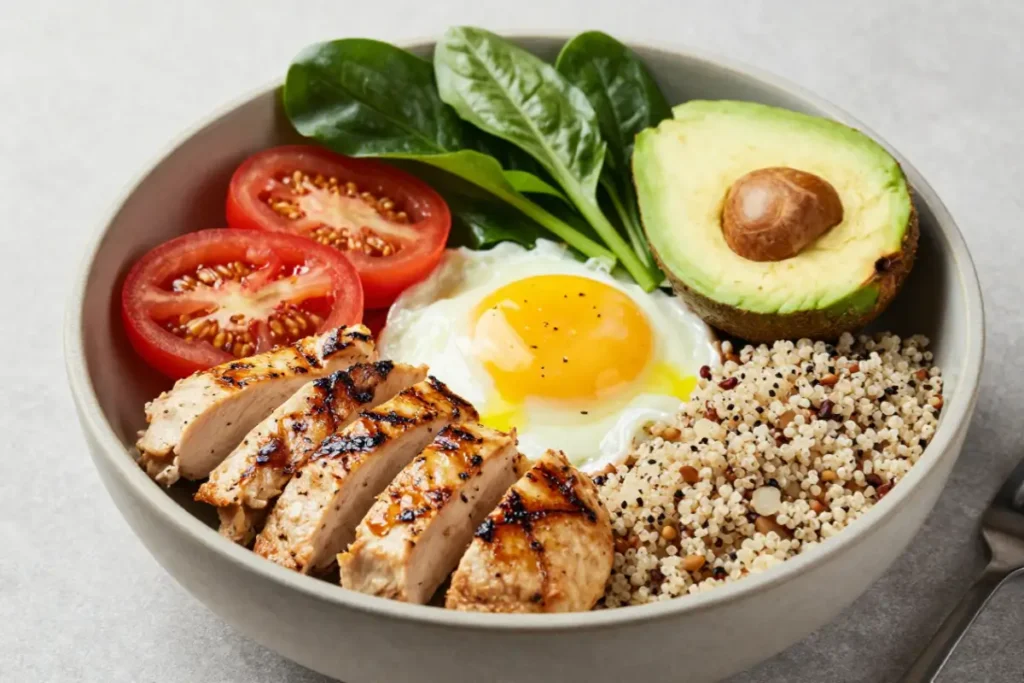
1. Eggs: A Complete Protein Source
Eggs are among the most nutrient-dense foods available.
They provide high-quality protein along with vitamins, minerals, and healthy fats.
Because eggs contain all nine essential amino acids, they are often described as a complete protein source.
Many people enjoy eggs as part of a filling breakfast that helps support satiety throughout the morning.
2. Greek Yogurt
Greek yogurt contains significantly more protein than traditional yogurt.
It can be enjoyed on its own or paired with:
- Berries
- Nuts
- Seeds
- Fruit
The combination of protein and texture makes Greek yogurt a satisfying snack or breakfast option.
3. Chicken Breast
Chicken breast remains one of the most popular protein-rich foods worldwide.
It is versatile, widely available, and provides a substantial amount of protein with relatively little fat.
Chicken can easily be incorporated into salads, grain bowls, soups, and countless other meals.
4. Salmon
Salmon offers a unique nutritional profile because it provides both protein and omega-3 fatty acids.
These healthy fats have attracted significant attention from researchers studying heart, brain, and metabolic health.
Including salmon in your weekly meal plan can add both variety and nutritional value.
5. Lentils
Lentils are one of the best plant-based sources of protein.
They also provide:
- Fiber
- Iron
- Folate
- Complex carbohydrates
This combination contributes to feelings of fullness and makes lentils a valuable ingredient in soups, stews, and salads.
Maintaining Satiety Beyond Protein
While protein is important, balanced nutrition involves more than protein intake alone.
Meals that include fiber, healthy fats, and minimally processed foods often contribute to longer-lasting satisfaction.
Maintaining steady energy levels throughout the day often involves more than simply increasing protein intake. Choosing foods that support balanced nutrition can also play an important role in overall metabolic health. Learn more in our guide: 10 Foods That May Help Support Healthy Blood Sugar Levels
6. Cottage Cheese
Cottage cheese is another protein-rich dairy food that has become increasingly popular among health-conscious consumers.
It can be enjoyed as a snack or combined with fruit, vegetables, or whole grains for a balanced meal.
7. Tofu
For individuals following plant-based eating patterns, tofu is a versatile source of protein.
Made from soybeans, tofu can be used in:
- Stir-fries
- Salads
- Soups
- Grain bowls
Its ability to absorb flavors makes it especially adaptable in cooking.
8. Beans
Beans provide a combination of protein, fiber, and complex carbohydrates.
Common varieties include:
- Black beans
- Kidney beans
- Pinto beans
- Navy beans
Their fiber content contributes to feelings of fullness and supports digestive health.
9. Edamame
Edamame consists of young soybeans harvested before fully maturing.
These nutrient-rich legumes offer:
- Protein
- Fiber
- Vitamins
- Minerals
They are commonly enjoyed as a snack or side dish.
10. Nuts and Seeds
Although nuts and seeds are often recognized for their healthy fat content, many also provide meaningful amounts of protein.
Popular choices include:
- Almonds
- Pistachios
- Pumpkin seeds
- Chia seeds
- Hemp seeds
They can be easily added to meals and snacks to increase both nutrition and satiety.
Protein, Digestion, and Gut Health
The way your body processes food is influenced not only by protein intake, but also by the health of your digestive system and gut microbiome.
A diverse and balanced diet supports both digestion and overall wellness.
The way your body processes food is influenced not only by what you eat, but also by the health of your gut microbiome. Discover some of the best probiotic-rich foods in our guide: 7 Probiotic Foods That Naturally Support Gut Health

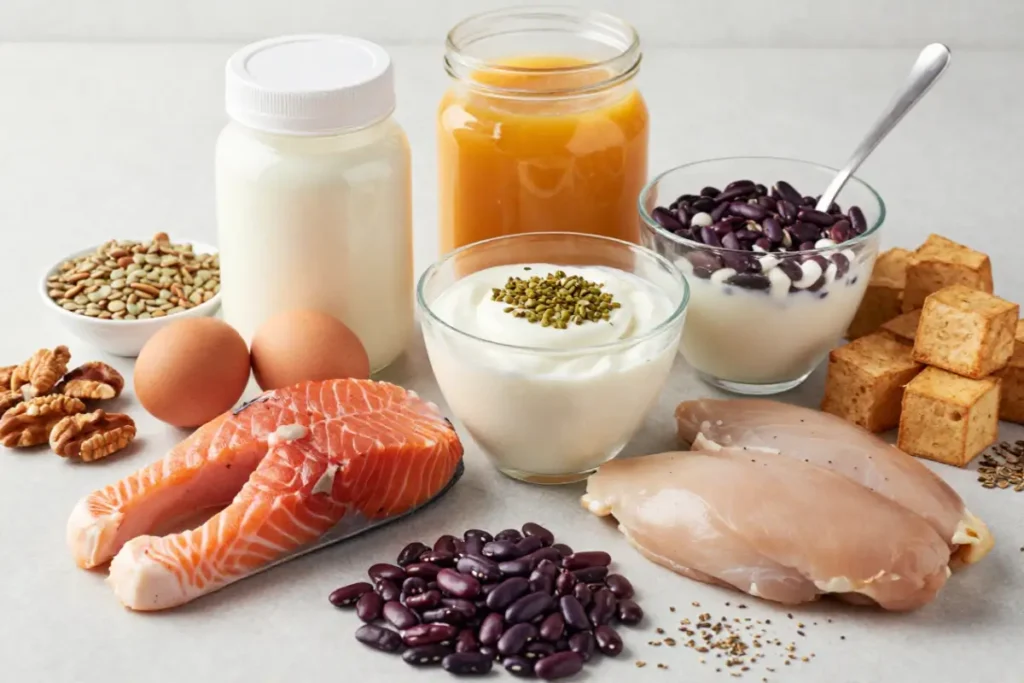
Simple protein-rich snacks can help support satiety between meals and contribute to balanced nutrition.
Frequently Asked Questions About High-Protein Foods
What foods are highest in protein?
Foods commonly recognized for their protein content include eggs, chicken breast, Greek yogurt, salmon, lentils, tofu, beans, and cottage cheese.
Do high-protein foods help you stay full?
Protein is often associated with greater feelings of satiety and may help support sustained energy throughout the day.
Can vegetarians get enough protein?
Yes. Plant-based protein sources such as lentils, beans, tofu, edamame, nuts, and seeds can contribute significantly to daily protein intake.
Is it better to eat protein at every meal?
Many nutrition experts recommend including a protein source with each meal to help support satiety and balanced nutrition.
Are animal and plant proteins both healthy?
Both can be part of a healthy eating pattern when incorporated into a balanced and varied diet.
Conclusion
Protein is an essential nutrient that supports numerous functions throughout the body and may help promote feelings of fullness after meals.
Whether you prefer animal-based or plant-based options, there are many nutritious high-protein foods that can contribute to a satisfying and balanced diet.
Small dietary improvements made consistently over time often have the greatest impact on long-term wellness.
Which high-protein food is your favorite? Do you have a go-to protein-rich meal or snack that helps keep you satisfied throughout the day? Share your thoughts in the comments below!