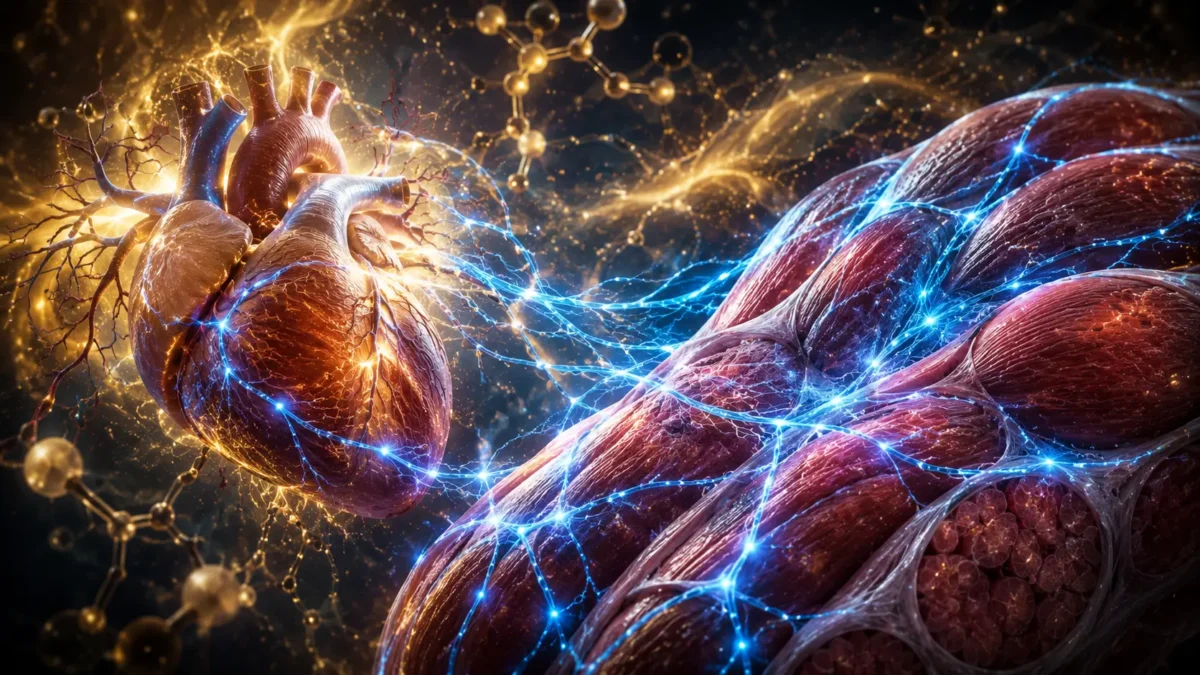
How Potassium Supports Heart and Muscle Function
Potassium is one of the body’s most important electrolytes, yet many people associate it only with bananas or sports drinks. In reality, this essential mineral is involved in countless physiological processes that occur every second, particularly those related to the cardiovascular system and skeletal muscles.
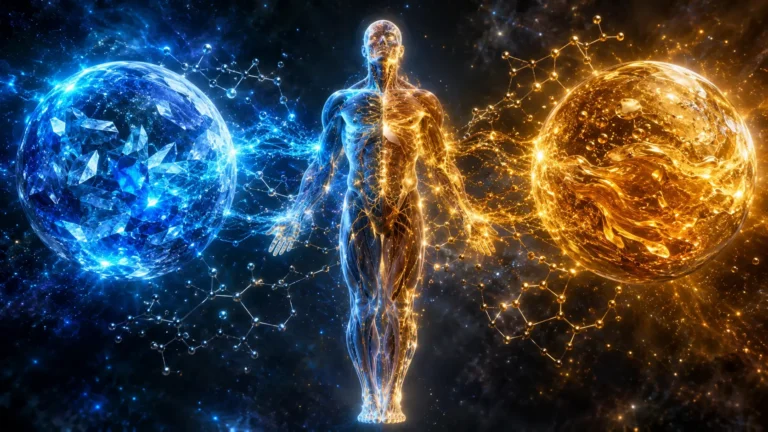
Every heartbeat, every step, and every muscle contraction depends on finely tuned electrical signals traveling between cells. Potassium helps regulate these signals, working alongside sodium, magnesium, calcium, and other electrolytes to keep the body’s communication systems functioning normally.
Understanding how potassium supports heart and muscle function can help explain why nutrition experts consistently recommend diets rich in fruits, vegetables, legumes, and other minimally processed foods.
How Potassium Supports Heart and Muscle Function
Inside every cell, potassium contributes to maintaining electrical gradients across cell membranes. These tiny voltage differences allow nerves to send messages and muscles to contract in a coordinated manner.
In the heart, specialized muscle cells generate rhythmic electrical impulses that trigger each heartbeat. Potassium participates in maintaining the balance required for these signals to occur normally. In skeletal muscles, similar electrical processes allow movement ranging from lifting weights to simply standing up from a chair.
According to the National Institutes of Health Office of Dietary Supplements, potassium is essential for normal muscle contraction, nerve transmission, and fluid balance throughout the body.
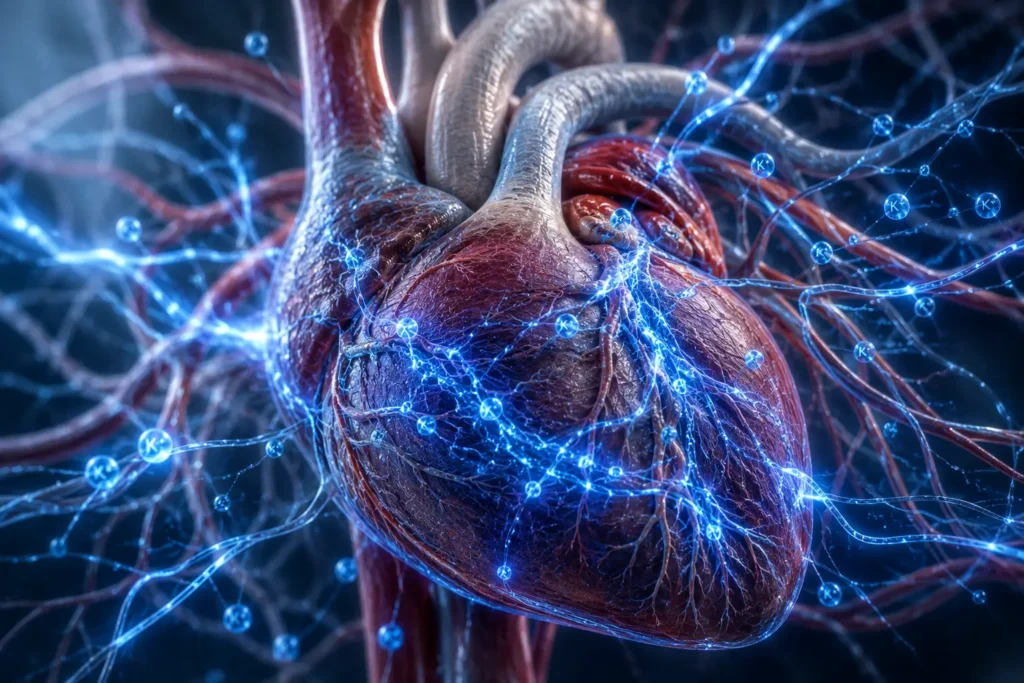
Potassium’s Role in Everyday Movement
Most people rarely think about electrolytes when walking, climbing stairs, or exercising, but these actions rely on complex interactions occurring inside muscles.
When the brain sends a signal to move, nerve cells communicate with muscle fibers through rapid electrical changes involving sodium and potassium. Once the contraction has occurred, additional mechanisms help restore balance so muscles are ready for the next movement.
Magnesium and calcium also participate in these processes, illustrating why balanced nutrition is more important than focusing on a single mineral in isolation.
For readers interested in related topics, explore: Potassium vs. Magnesium: What’s the Difference?
Why Whole Foods Remain the Best Source
Many nutritious foods naturally contain potassium while also supplying fiber, antioxidants, vitamins, and other minerals.
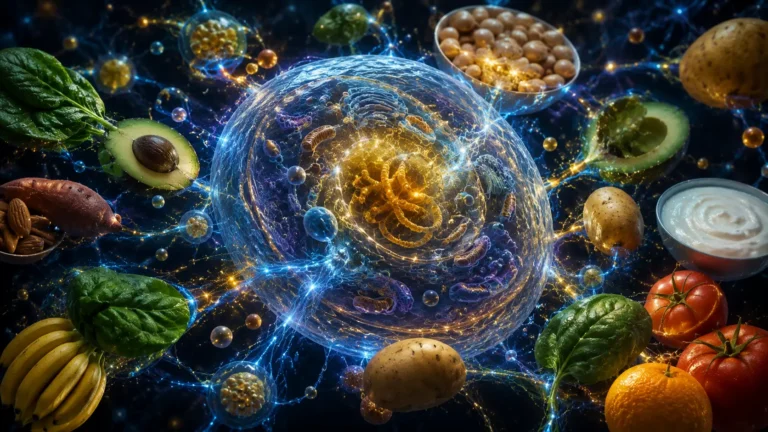
Examples include potatoes, sweet potatoes, spinach, tomatoes, white beans, yogurt, avocados, lentils, and citrus fruits. These foods fit well into dietary patterns such as the Mediterranean diet, which has been widely studied for its association with long-term health.
The World Health Organization (WHO) has recognized the importance of adequate dietary potassium intake within healthy eating patterns aimed at supporting cardiovascular wellness and reducing excessive sodium consumption.

Can Low Potassium Affect Physical Performance?
Because potassium contributes to normal muscle and nerve function, inadequate levels may influence how the body performs under certain circumstances. However, symptoms such as fatigue, muscle cramps, or weakness can have many different causes and should never be assumed to result from potassium alone.
Healthcare professionals evaluate potassium status using medical history, physical examination, laboratory testing when appropriate, and consideration of medications or underlying health conditions.
People who maintain a balanced diet and have no conditions affecting potassium regulation often obtain sufficient amounts through food alone.
You may also enjoy: Can You Get Enough Potassium From Food Alone?
Frequently Asked Questions
How does potassium support heart function?
Potassium helps regulate the electrical activity that allows heart muscle cells to contract in a coordinated and rhythmic manner as part of normal cardiovascular physiology.
Why is potassium important for muscles?
Muscle contractions depend on electrical signals that involve potassium and other electrolytes working together across cell membranes.
Can diet provide enough potassium for healthy adults?
Many healthy individuals can meet their potassium needs through balanced diets containing fruits, vegetables, legumes, dairy products, and other minimally processed foods.
Does potassium work alone?
No. Potassium interacts closely with sodium, magnesium, calcium, and numerous physiological systems that collectively support normal body function.
Conclusion
Learning how potassium supports heart and muscle function highlights the remarkable complexity of human physiology. From the steady rhythm of the heart to everyday movements like walking or lifting objects, potassium participates in finely regulated electrical processes that keep the body functioning normally.
Rather than viewing potassium as a nutrient found only in bananas, it is more useful to see it as one component of a balanced dietary pattern rich in vegetables, legumes, fruits, dairy products, and whole foods. Combined with regular physical activity and other healthy lifestyle habits, these choices help build a strong foundation for long-term wellness.
Did you know potassium plays such an important role in both heart and muscle function? Share your favorite potassium-rich foods or healthy habits in the comments below.