
Signs You May Not Be Getting Enough Potassium: Common Symptoms Explained
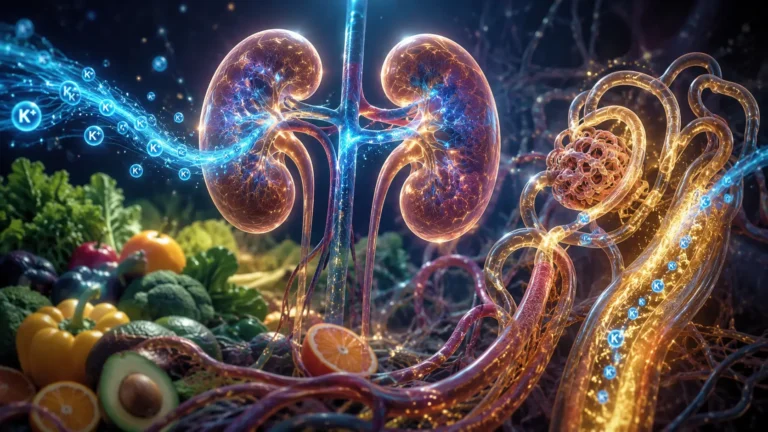
Potassium is an essential mineral and electrolyte that supports many critical processes in the human body. It plays a key role in muscle contraction, nerve signaling, fluid balance, and the normal function of the heart and other organs. Despite its importance, many people pay little attention to their daily potassium intake until they begin wondering whether certain symptoms could be related to insufficient levels.
The good news is that potassium is widely available in nutritious foods such as fruits, vegetables, legumes, and dairy products. However, dietary habits, certain medical conditions, or excessive losses through illness can sometimes contribute to lower potassium status.
Understanding the signs you may not be getting enough potassium can help you recognize when it may be worth discussing your diet or symptoms with a qualified healthcare professional.
What Are the Signs You May Not Be Getting Enough Potassium?
The symptoms associated with low potassium can vary considerably depending on the severity and the underlying cause. Mild reductions may produce no noticeable symptoms at all, while more significant deficiencies can interfere with normal muscle and nerve function.
Possible signs sometimes associated with inadequate potassium levels include:
- Muscle weakness or unusual fatigue.
- Occasional muscle cramps.
- Tingling sensations or numbness.
- Constipation due to changes in smooth muscle activity.
- General feelings of low energy.
- Irregular heart rhythm in more serious cases requiring immediate medical evaluation.
Importantly, these symptoms are not specific to potassium deficiency and may have many different causes. Diagnosis should always be based on appropriate medical evaluation rather than symptoms alone.
The National Institutes of Health Office of Dietary Supplements explains that potassium is essential for normal cellular function and that both deficiency and excess can affect health.
Why Potassium Is So Important for the Human Body
Potassium is one of the body’s major electrolytes, working alongside sodium, magnesium, and other minerals to maintain normal physiological function.
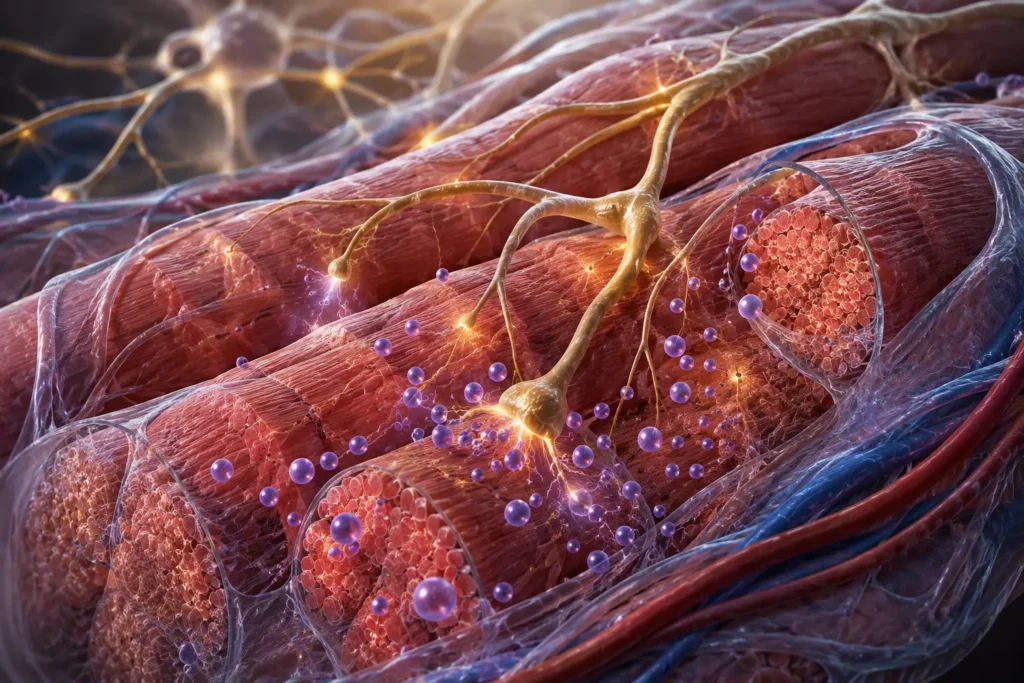
One of its primary responsibilities is regulating electrical activity across cell membranes. This electrical balance enables muscles to contract properly and allows nerves to transmit signals efficiently. The heart, in particular, depends on tightly regulated potassium levels to maintain its normal rhythm.
Research published by organizations such as the World Health Organization (WHO) has also highlighted the importance of adequate potassium intake as part of healthy dietary patterns that support cardiovascular health.
Rather than acting in isolation, potassium functions within a complex nutritional network where overall diet quality matters far more than any single nutrient alone.
Could Your Diet Be Low in Potassium?
Modern eating habits often emphasize highly processed foods, which tend to contain relatively little potassium compared with minimally processed whole foods.
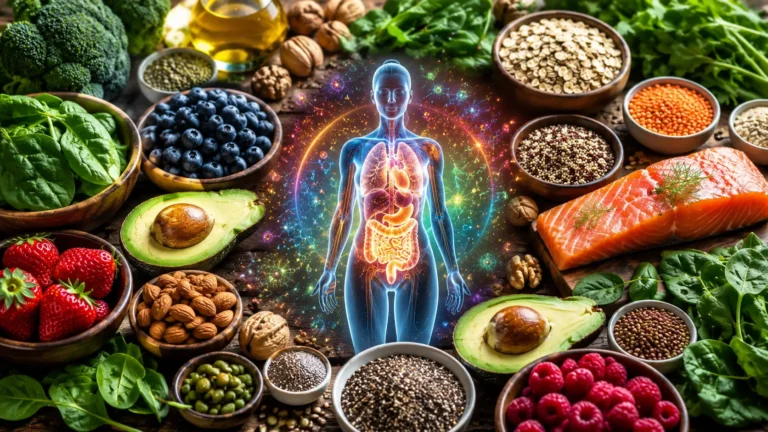
Fresh vegetables, fruits, beans, lentils, dairy products, potatoes, avocados, spinach, and yogurt naturally provide meaningful amounts of potassium. Diets lacking these foods may contribute to lower intake over time.
At the same time, potassium deficiency is not always caused by diet alone. Certain medications, prolonged vomiting or diarrhea, kidney disorders, and other medical conditions may influence potassium balance and should be evaluated by healthcare professionals when appropriate.
Readers interested in minerals that work closely with potassium may also enjoy: Magnesium for Muscle Cramps: What Does the Research Really Say?
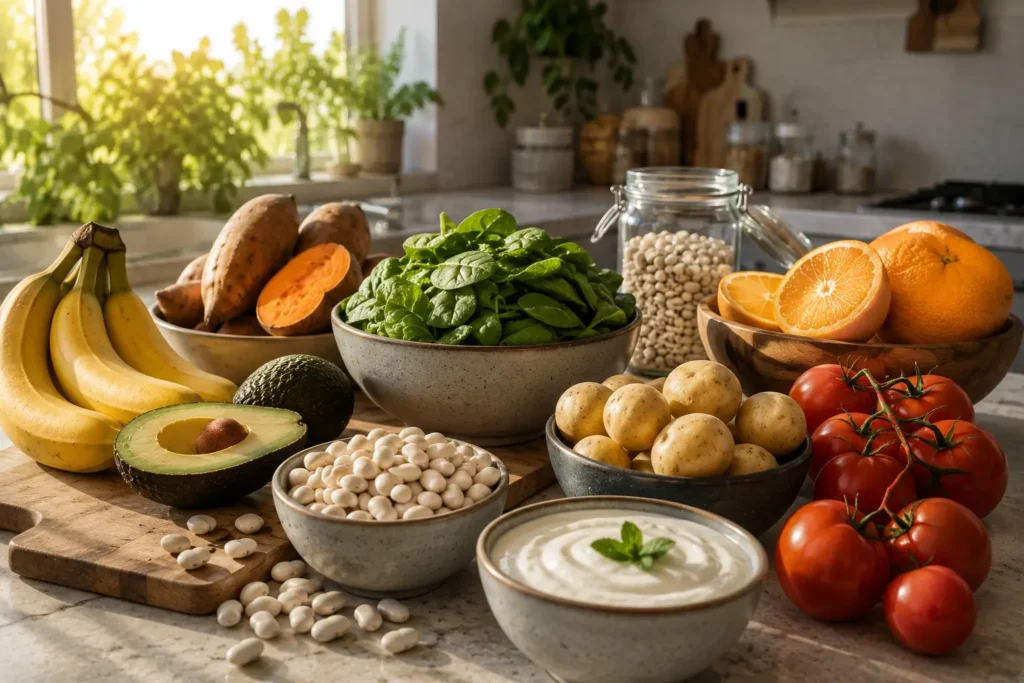
Foods That Naturally Provide Potassium
Many people are surprised to learn that bananas are only one of many potassium-containing foods. While bananas are certainly nutritious, numerous other everyday ingredients contribute significantly to potassium intake.
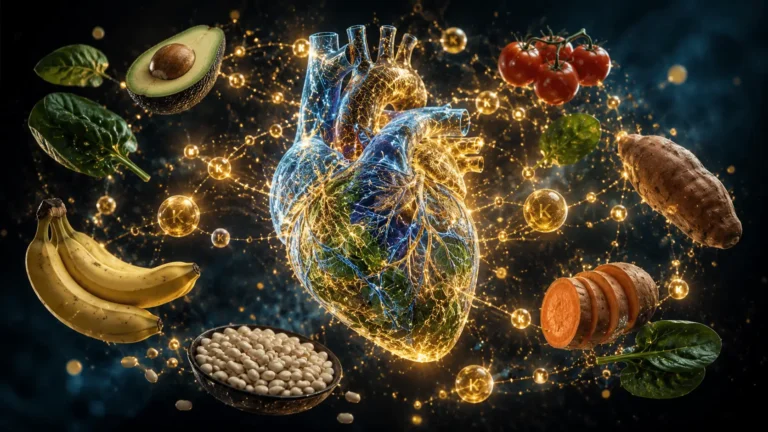
White beans, lentils, potatoes with skin, spinach, tomatoes, avocados, yogurt, sweet potatoes, and certain fruits all provide meaningful amounts. These foods also deliver fiber, vitamins, antioxidants, and other nutrients that contribute to overall health.
If your goal is improving nutritional quality, focusing on a diverse dietary pattern is generally more effective than relying on any single food source.
For practical ideas, see: 8 Magnesium-Rich Foods You Can Easily Add to Your Diet
Frequently Asked Questions
What are the signs you may not be getting enough potassium?
Possible signs may include muscle weakness, fatigue, cramps, constipation, tingling sensations, and—in more severe cases—changes in heart rhythm. However, these symptoms can have many different causes.
Can diet alone provide enough potassium?
For many healthy individuals, yes. A balanced diet rich in fruits, vegetables, legumes, dairy products, and minimally processed foods can provide adequate potassium intake.
Are bananas the best source of potassium?
Bananas are a good source, but many other foods—including potatoes, beans, spinach, avocados, yogurt, and sweet potatoes—also contain substantial amounts.
Should I take potassium supplements?
Potassium supplementation should only be considered under medical supervision, as both low and excessively high potassium levels can have important health consequences.
Conclusion
Recognizing the signs you may not be getting enough potassium starts with understanding the mineral’s essential role in muscle activity, nerve communication, and cardiovascular function. While symptoms such as fatigue or muscle cramps may sometimes be associated with low potassium, they are not specific and should never be used for self-diagnosis.
For most people, maintaining a varied diet rich in fruits, vegetables, legumes, and other whole foods remains one of the most practical ways to support healthy potassium intake and overall well-being. When symptoms persist or concerns arise, seeking guidance from a qualified healthcare professional is always the safest approach.
Have you started paying closer attention to potassium-rich foods in your daily meals? Share your favorite nutrient-rich ingredients or healthy eating habits in the comments below.