

Magnesium for Muscle Cramps: What Does the Research Really Say?
Muscle cramps can occur unexpectedly, whether during exercise, while sleeping, or even during everyday activities. These sudden, involuntary contractions are common among athletes, older adults, and otherwise healthy individuals, leading many people to search for nutritional solutions that may help reduce their occurrence.
Among the most popular suggestions is magnesium supplementation. But does magnesium really help muscle cramps, or is its reputation larger than the scientific evidence supporting it?
The answer is more nuanced than many advertisements suggest. Magnesium is undeniably essential for normal muscle and nerve function, yet current research indicates that the relationship between magnesium intake and muscle cramps depends on the underlying cause of the cramps and the individual’s nutritional status.
Magnesium for Muscle Cramps: Why Is Magnesium Important?
Magnesium participates in more than 300 enzymatic reactions throughout the human body and contributes to normal muscle contraction, nerve transmission, electrolyte balance, and energy production.
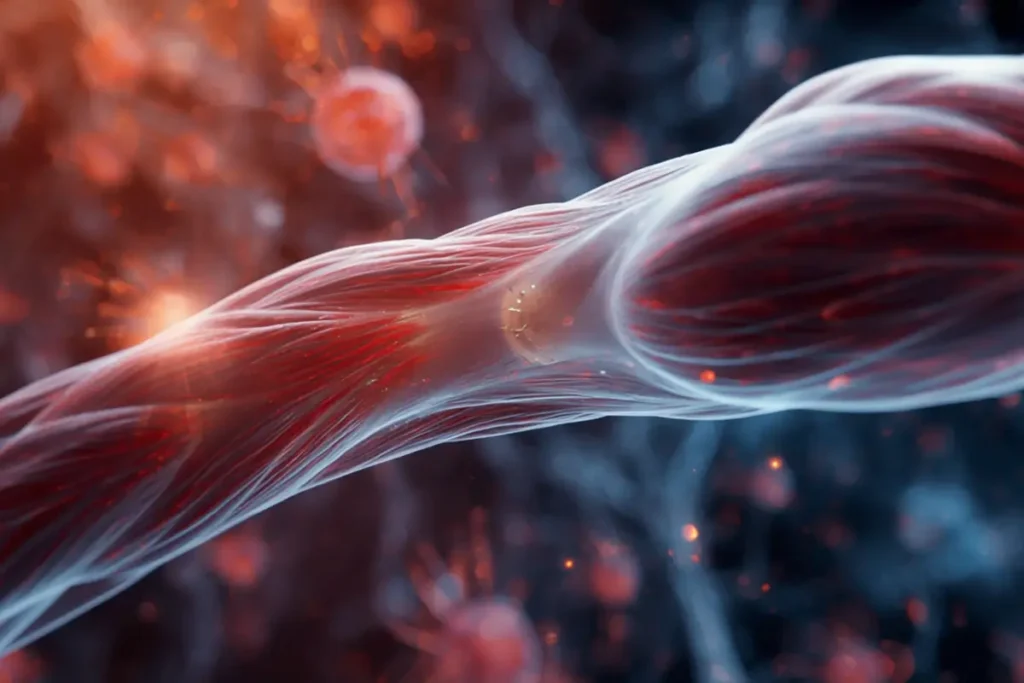
At the cellular level, magnesium helps regulate calcium movement within muscle fibers. Calcium stimulates muscle contraction, while magnesium contributes to the mechanisms that allow muscles to relax appropriately afterward. This balance is one reason researchers have long been interested in magnesium’s potential role in cramping.
The National Institutes of Health Office of Dietary Supplements explains that magnesium is an essential mineral involved in neuromuscular function and many metabolic pathways.
Does Magnesium Help Muscle Cramps?
Research findings have been mixed.
Some studies suggest that correcting an existing magnesium deficiency may improve normal neuromuscular function. However, large reviews evaluating magnesium supplementation for idiopathic muscle cramps have generally found inconsistent results, particularly among healthy adults without documented deficiency.
This does not mean magnesium lacks importance. Instead, it highlights that muscle cramps can arise from many different factors, including dehydration, prolonged exercise, electrolyte imbalances, medication use, nerve disorders, or prolonged muscle fatigue.
In other words, magnesium may be one piece of a much larger physiological puzzle rather than a universal solution.
Magnesium for Muscle Cramps and Overall Nutrition
A balanced dietary pattern remains one of the most reliable ways to support normal muscle function.
Foods naturally rich in magnesium—such as leafy greens, legumes, pumpkin seeds, almonds, oats, and whole grains—also provide potassium, fiber, antioxidants, and other nutrients involved in muscular and metabolic health.
People interested in increasing dietary magnesium may also enjoy: Can You Get Enough Magnesium From Food Alone? What Science Says
Rather than focusing on a single supplement, many nutrition experts recommend evaluating overall eating habits and hydration status when addressing recurrent muscle cramps.

Other Factors That May Contribute to Muscle Cramps
Because muscle cramps have multiple potential causes, addressing them often requires a broader perspective than magnesium alone.
Adequate hydration helps maintain electrolyte balance during physical activity and hot weather. Regular stretching may improve flexibility in certain individuals, while balanced intake of minerals through varied foods supports normal physiological processes. Sleep quality, training intensity, and medication use may also influence cramp frequency.
The Mayo Clinic notes that persistent, severe, or unexplained muscle cramps should be evaluated by a healthcare professional to identify possible underlying causes.
Frequently Asked Questions
Does magnesium help muscle cramps?
Magnesium plays an important role in normal muscle function, but research on supplementation for muscle cramps has produced mixed results, particularly in healthy adults without deficiency.
Can low magnesium cause muscle problems?
Insufficient magnesium intake may contribute to neuromuscular symptoms in some circumstances, although many other factors can also affect muscle health.
Should everyone with leg cramps take magnesium?
Not necessarily. Because muscle cramps have many possible causes, supplementation should be individualized rather than assumed to be universally beneficial.
What foods provide magnesium naturally?
Spinach, pumpkin seeds, almonds, beans, whole grains, oats, and other minimally processed plant foods are among the best dietary sources.
Conclusion
The scientific evidence suggests that magnesium for muscle cramps is not a one-size-fits-all solution. Magnesium is unquestionably essential for healthy muscle physiology, but cramps often result from multiple interacting factors rather than a single nutrient deficiency.
For most people, maintaining a balanced diet, staying hydrated, recovering adequately after exercise, and discussing persistent symptoms with a qualified healthcare professional are practical strategies that support overall muscle health far beyond supplementation alone.
Have you ever experienced muscle cramps during exercise or at night? What lifestyle habits have helped you the most? We’d love to hear your experience in the comments.