
Can You Get Enough Magnesium From Food Alone? What Science Says
Magnesium is involved in hundreds of essential biochemical reactions throughout the body, supporting muscle contraction, nerve communication, energy production, bone health, and normal cellular function. Because magnesium supplements have become increasingly popular, many people wonder whether they truly need one—or whether a balanced diet is enough.
The encouraging news is that many healthy adults can get enough magnesium from food alone. Whole foods naturally rich in magnesium provide not only this essential mineral but also fiber, vitamins, healthy fats, antioxidants, and countless beneficial plant compounds that work together to support overall health.
Current evidence suggests that prioritizing a nutrient-rich diet should generally be the first step before considering supplementation, unless a healthcare professional recommends otherwise.
Can You Get Enough Magnesium From Food Alone?
For most individuals with varied eating habits, the answer is often yes.
Leafy green vegetables, legumes, nuts, seeds, and whole grains are naturally good sources of magnesium. These foods have been part of traditional dietary patterns around the world for centuries and contribute much more than isolated minerals alone.
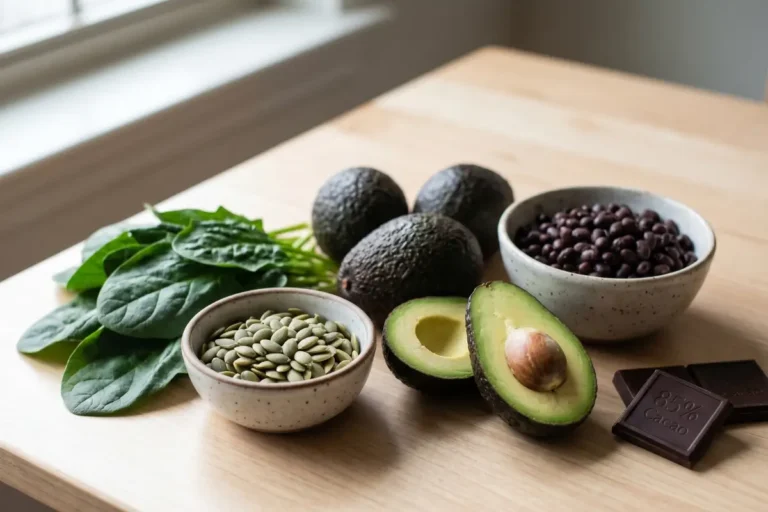
For example, pumpkin seeds contain substantial amounts of magnesium while also providing healthy fats and plant protein. Almonds contribute magnesium together with vitamin E and unsaturated fats. Spinach supplies magnesium alongside folate, vitamin K, and numerous phytochemicals, while beans combine magnesium with fiber that supports digestive and metabolic health.
The National Institutes of Health (NIH) notes that dietary magnesium is widely available in many commonly consumed foods, making balanced eating an effective strategy for maintaining adequate intake.
Readers interested in practical meal ideas can also explore: 8 Magnesium-Rich Foods You Can Easily Add to Your Diet
Why Whole Foods Offer More Than Magnesium
One advantage of obtaining nutrients through food is the natural combination of compounds that exist within each ingredient.
Scientists often refer to this as the “food matrix”—the interaction of vitamins, minerals, fiber, proteins, and bioactive substances that may influence digestion and overall nutritional value. A handful of almonds, for instance, provides magnesium together with plant protein, healthy fats, and antioxidants. Whole grains contribute magnesium alongside fiber that helps support gut health and normal blood sugar regulation.
This broader nutritional package is difficult to replicate through supplementation alone and reinforces why dietary guidelines around the world consistently emphasize whole foods as the foundation of healthy eating.

Can Everyone Meet Magnesium Needs Through Diet?
Although many people can maintain healthy magnesium intake through food, individual circumstances vary.
People following highly restrictive diets, those with certain gastrointestinal disorders that affect nutrient absorption, or individuals with specific medical conditions may require personalized nutritional guidance. Likewise, healthcare professionals may recommend supplements in selected situations based on dietary assessment, laboratory findings, or clinical judgment.
Importantly, supplementation should not be viewed as a substitute for healthy eating. Even when supplements are appropriate, they work best as part of an overall balanced lifestyle rather than as a replacement for nutritious meals.
Food vs. Supplements: Which Is Better for Magnesium?
When comparing food vs. supplements for magnesium, most public health recommendations prioritize obtaining nutrients from dietary sources whenever feasible.
Foods naturally contain balanced concentrations of minerals and provide additional health-promoting compounds that supplements do not. Supplements can be useful tools in specific circumstances, but they should complement—not replace—a healthy diet.
Choosing between different magnesium formulations may also create confusion, especially given the wide variety of products available. If you’re comparing common supplemental forms, see: Magnesium Oxide vs. Magnesium Glycinate vs. Magnesium Citrate: What’s the Difference?

What Does Current Research Suggest?
Large nutritional studies consistently associate dietary patterns rich in vegetables, legumes, nuts, seeds, and whole grains with numerous health benefits. While magnesium itself plays an important physiological role, researchers increasingly recognize that overall dietary quality may be even more important than focusing on any single nutrient.
Organizations such as the Harvard T.H. Chan School of Public Health encourage eating patterns centered on minimally processed foods rather than relying primarily on supplements to achieve nutritional goals.
In other words, asking whether you can get enough magnesium from food alone may be less useful than asking whether your overall diet supports long-term health.
Frequently Asked Questions
Can you get enough magnesium from food alone?
Yes. Many healthy adults can achieve recommended magnesium intake through a varied diet that includes leafy greens, legumes, nuts, seeds, and whole grains.
What foods contain the most magnesium?
Pumpkin seeds, almonds, spinach, black beans, oats, whole grains, and other plant foods are among the richest natural dietary sources.
Do magnesium supplements work better than food?
Not necessarily. Whole foods provide magnesium together with many additional nutrients and beneficial compounds that contribute to overall health.
Who may need magnesium supplements?
Some individuals with specific dietary restrictions, absorption issues, or medical conditions may benefit from supplementation under professional guidance.
Conclusion
Current evidence indicates that many people can get enough magnesium from food alone by consistently eating a balanced diet rich in vegetables, legumes, nuts, seeds, and whole grains. These foods offer not only magnesium but also a wide spectrum of nutrients that work together to support overall wellness.
Supplements may have a role in selected situations, but they should generally complement healthy dietary habits rather than replace them. Focusing on long-term nutritional quality remains one of the most sustainable ways to support magnesium intake and overall health.
Do you rely mostly on food for your magnesium intake, or have you chosen to use supplements as part of your routine? Share your thoughts and experiences in the comments below.