Best Potassium-Rich Foods to Add to Your Diet
Potassium is one of the body’s most important electrolytes, helping regulate muscle contractions, nerve signaling, fluid balance, and cardiovascular function. While bananas are often the first food that comes to mind, they represent only a small part of the many naturally potassium-rich foods available.
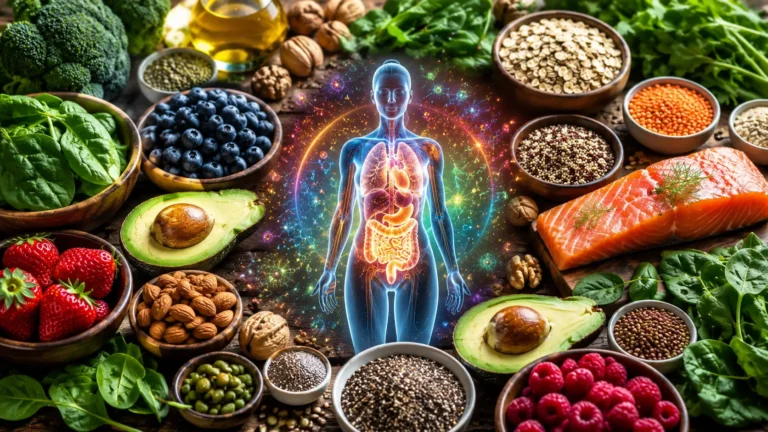
A varied diet that includes vegetables, legumes, fruits, dairy products, and minimally processed ingredients can provide substantial amounts of potassium while also delivering fiber, vitamins, antioxidants, and other beneficial nutrients.
Understanding where potassium comes from can help you make informed dietary choices that support long-term health and overall wellness.
Why Potassium-Rich Foods Matter
Potassium works alongside sodium and magnesium to maintain normal electrical activity within cells. This balance supports healthy muscle movement, nerve communication, and heart function.
According to the National Institutes of Health Office of Dietary Supplements, potassium is widely distributed throughout many whole foods, making dietary intake the preferred source for most healthy individuals.
Rather than focusing on supplements, nutrition experts generally encourage obtaining potassium through balanced eating patterns whenever possible.

Potassium-Rich Foods Beyond Bananas
Although bananas are nutritious, many other foods provide equal or greater amounts of potassium.
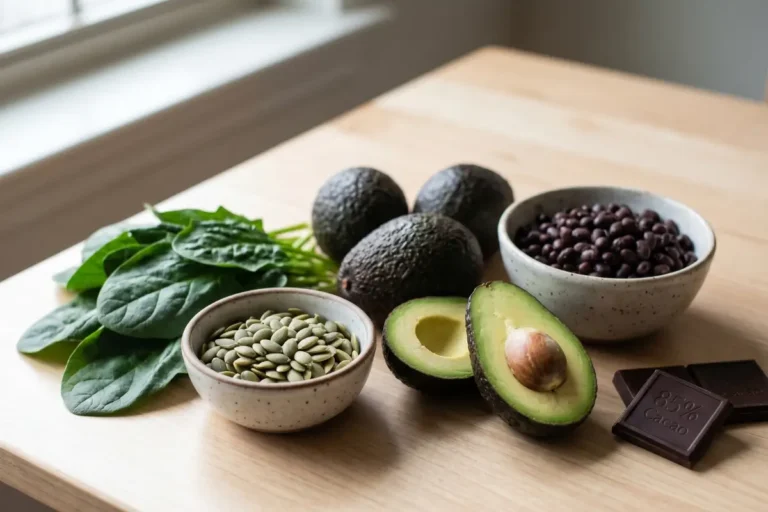
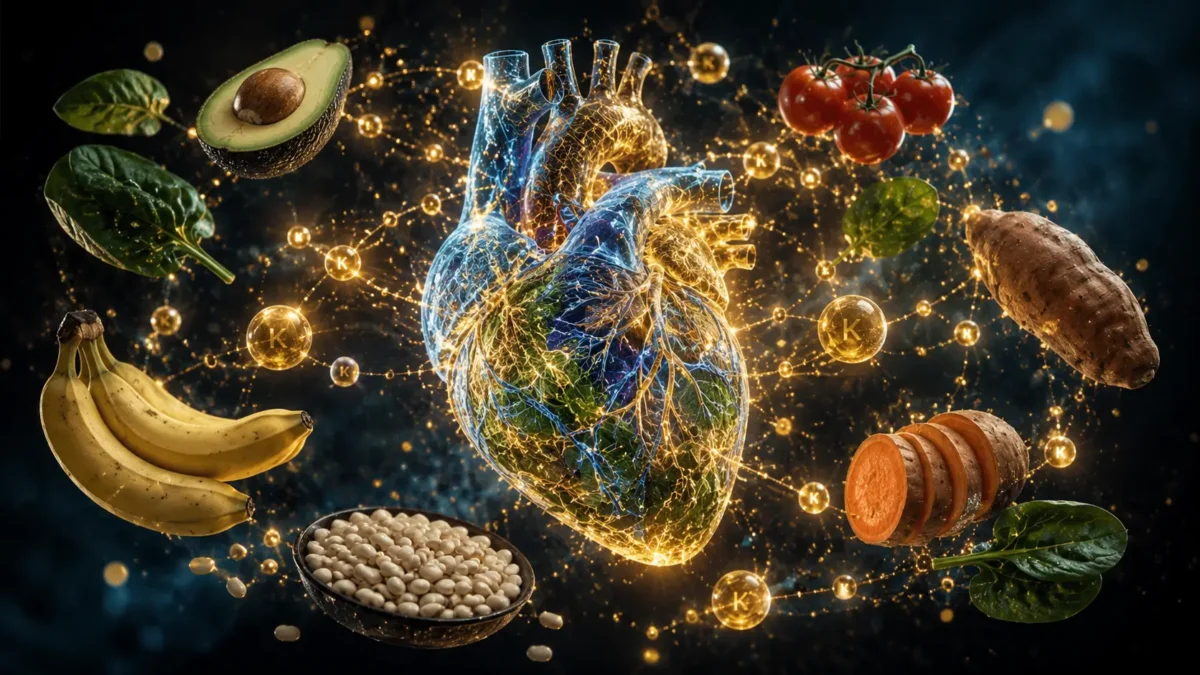
White beans, lentils, potatoes, sweet potatoes, spinach, tomatoes, yogurt, avocados, squash, and dried fruits are among the richest dietary sources. Many of these foods also contribute fiber, vitamin C, folate, or healthy fats, making them valuable additions to balanced eating patterns.
Leafy greens deserve particular attention because they combine potassium with magnesium and numerous phytonutrients that support overall health. Likewise, legumes provide plant protein and complex carbohydrates in addition to their mineral content.
Readers interested in recognizing possible low intake may also enjoy: Signs You May Not Be Getting Enough Potassium: Common Symptoms Explained
Whole Dietary Patterns Matter More Than Individual Foods
Modern nutrition research increasingly emphasizes dietary patterns rather than isolated nutrients.
For example, a Mediterranean-style eating pattern naturally includes many potassium-rich ingredients such as vegetables, legumes, fruits, yogurt, and olive oil. These combinations provide broad nutritional benefits that extend well beyond potassium alone.
The Harvard T.H. Chan School of Public Health encourages emphasizing minimally processed foods as part of an overall healthy dietary pattern rather than relying on single “superfoods.”

Practical Ways to Include More Potassium-Rich Foods
Increasing dietary potassium does not require complicated meal plans.
Simple habits such as adding beans to salads, choosing baked potatoes with the skin, including spinach in soups or omelets, enjoying yogurt with fruit, or replacing processed snacks with avocado or roasted legumes can naturally increase potassium intake while improving overall nutritional quality.
People with kidney disease or certain medical conditions should follow individualized medical advice regarding potassium intake, as recommendations may differ depending on clinical circumstances.
For readers interested in minerals that work closely together, see: Magnesium for Muscle Cramps: What Does the Research Really Say?
Frequently Asked Questions
What foods are highest in potassium?
Some of the richest sources include white beans, potatoes, sweet potatoes, spinach, avocados, yogurt, lentils, tomatoes, and certain dried fruits.
Are bananas the best potassium-rich food?
Bananas are a good source, but many vegetables, legumes, and dairy products contain similar or even higher amounts of potassium.
Is it better to get potassium from food or supplements?
For most healthy individuals, obtaining potassium from whole foods is the preferred approach because these foods provide many additional nutrients and beneficial compounds.
Can eating more potassium-rich foods support overall health?
A balanced diet containing potassium-rich foods contributes to normal muscle, nerve, and cardiovascular function as part of an overall healthy lifestyle.
Conclusion
Choosing a variety of potassium-rich foods is one of the simplest ways to support balanced nutrition and overall well-being. Rather than relying on a single ingredient like bananas, focusing on diverse whole foods—including vegetables, legumes, dairy products, fruits, and minimally processed staples—provides potassium alongside countless other beneficial nutrients.
As nutrition science continues to evolve, one principle remains remarkably consistent: diets centered on varied, whole foods offer the strongest foundation for long-term health.
Which potassium-rich food is a regular part of your meals? Have you discovered a favorite beyond bananas? Share your thoughts and ideas in the comments below.