Can You Get Enough Potassium From Food Alone? What the Science Says
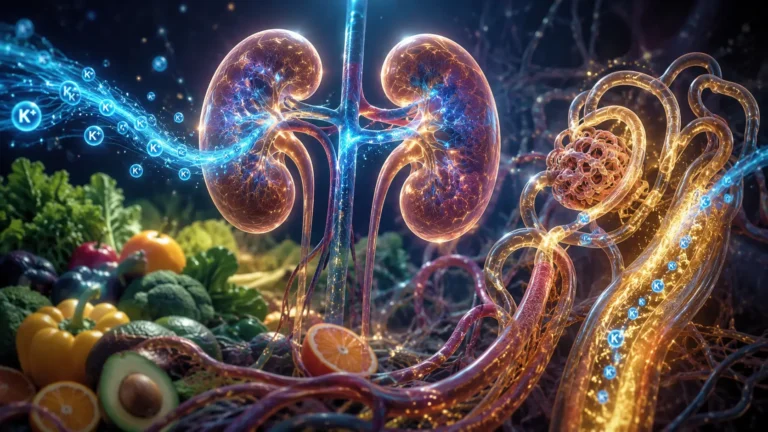
Potassium is an essential mineral involved in nerve transmission, muscle contraction, fluid regulation, and cardiovascular function. Because it participates in so many physiological processes, many people wonder whether eating well is enough to meet daily potassium needs or whether supplements are necessary.
For most healthy adults, the answer is encouraging: a balanced diet can often provide adequate potassium without supplementation. In fact, many everyday foods naturally contain meaningful amounts of potassium while also supplying fiber, vitamins, antioxidants, and other nutrients that support overall health.
Rather than focusing on pills or powders, nutrition experts generally recommend building meals around whole foods whenever possible.
Can You Get Enough Potassium From Food Alone?
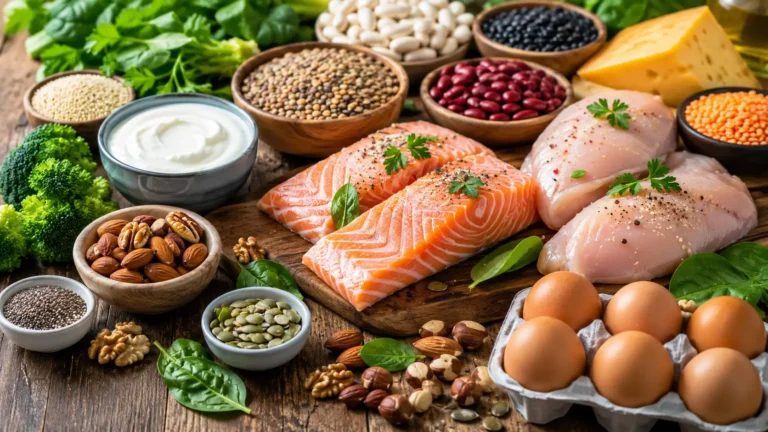
Current evidence suggests that many people can meet their potassium requirements through food, especially when their diet includes a variety of fruits, vegetables, legumes, dairy products, and minimally processed ingredients.
According to the National Institutes of Health Office of Dietary Supplements, potassium is naturally present in a wide range of foods and plays an important role in maintaining normal cellular function throughout the body.
The challenge is often not availability but dietary habits. Modern eating patterns rich in ultra-processed foods may provide substantially less potassium than diets centered on fresh ingredients.

Why Whole Foods Offer More Than Just Potassium
One of the greatest advantages of obtaining potassium from food is that nutrients rarely exist in isolation.
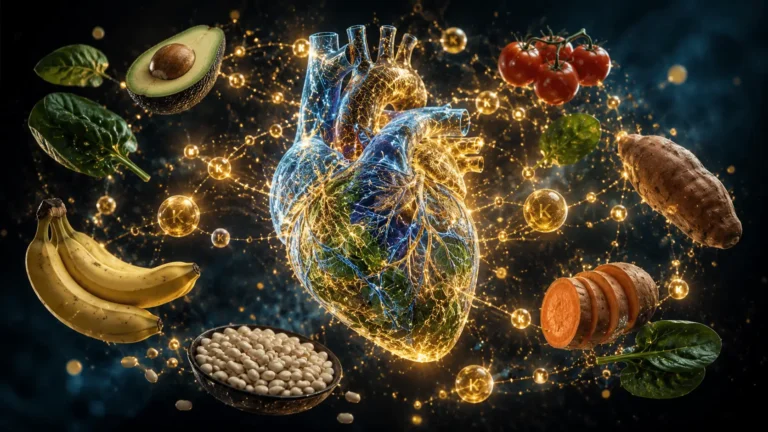
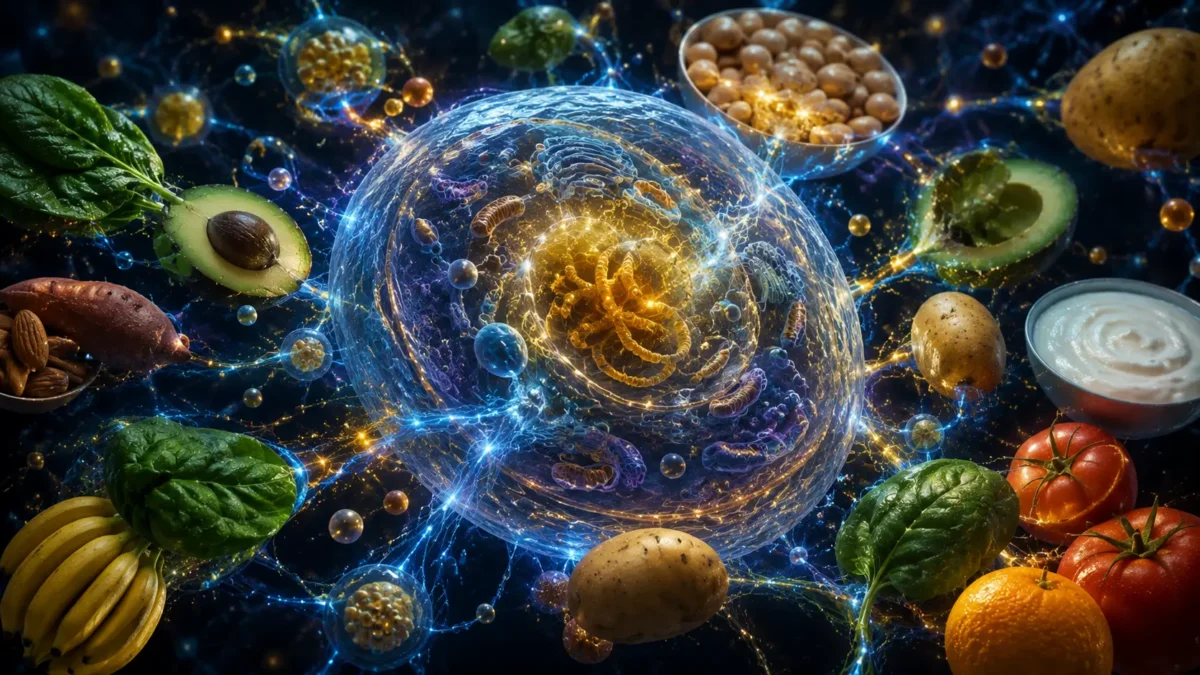
A serving of white beans provides potassium alongside plant protein and fiber. Avocados combine potassium with heart-healthy fats, while spinach contributes potassium, magnesium, folate, and numerous phytochemicals. Yogurt supplies potassium together with calcium and protein, and sweet potatoes deliver complex carbohydrates and carotenoids in addition to minerals.
Scientists increasingly recognize that these combinations may contribute to the health benefits associated with balanced dietary patterns, making whole foods more valuable than isolated nutrients alone.
Readers looking for practical food ideas can also explore: Best Potassium-Rich Foods to Add to Your Diet
Are Supplements Necessary?
For many healthy individuals, supplements are unnecessary when dietary intake is adequate.
However, potassium balance can be influenced by certain medications, kidney disease, gastrointestinal illnesses, or other medical conditions. Because both excessively low and excessively high potassium levels may have important health consequences, supplements should generally be used only under appropriate medical supervision.
Organizations such as the Mayo Clinic emphasize that potassium supplementation is not suitable for everyone and should be individualized based on clinical circumstances.

Dietary Patterns Matter More Than Individual Foods
Although bananas are widely associated with potassium, they represent only one component of a healthy dietary pattern.
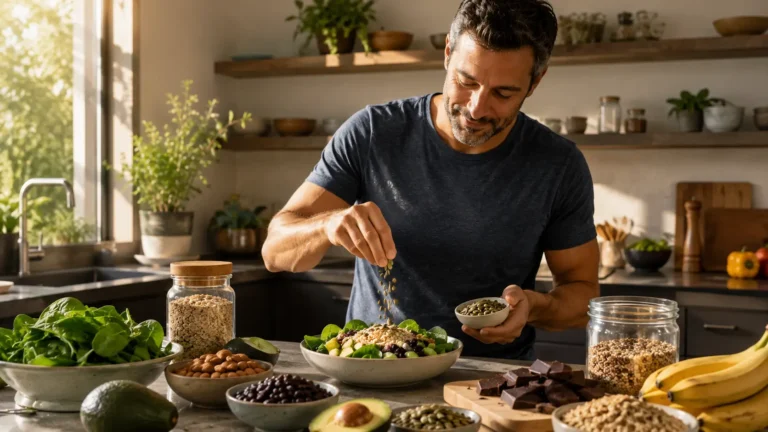
Consistently consuming legumes, leafy greens, potatoes, yogurt, tomatoes, squash, avocados, and fruits can collectively provide substantial potassium intake while supporting overall nutritional quality.
This broader perspective reflects modern nutrition science, which emphasizes long-term eating habits rather than relying on single foods or isolated nutrients.
For readers interested in recognizing possible low intake, see: Signs You May Not Be Getting Enough Potassium: Common Symptoms Explained
Frequently Asked Questions
Can you get enough potassium from food alone?
Yes. Many healthy adults can obtain sufficient potassium through a balanced diet rich in fruits, vegetables, legumes, dairy products, and minimally processed foods.
Which foods naturally contain potassium?
Potatoes, sweet potatoes, beans, spinach, tomatoes, yogurt, avocados, bananas, lentils, and many other whole foods contribute dietary potassium.
Is food better than potassium supplements?
For most healthy people, obtaining potassium through food is generally preferred because whole foods provide additional nutrients and beneficial compounds beyond potassium itself.
Why is potassium important?
Potassium supports normal muscle contractions, nerve communication, fluid balance, and healthy cardiovascular function as part of normal human physiology.
Conclusion
Current scientific evidence indicates that many people can get enough potassium from food alone by maintaining a varied and balanced eating pattern centered on whole foods. Rather than focusing on supplements, emphasizing fruits, vegetables, legumes, dairy products, and other minimally processed ingredients provides potassium together with numerous complementary nutrients that support overall wellness.
As always, individual medical conditions and nutritional needs vary, making personalized guidance from qualified healthcare professionals appropriate whenever concerns arise.
Have you discovered new ways to include potassium-rich foods in your meals? Share your favorite recipes or healthy habits in the comments below.